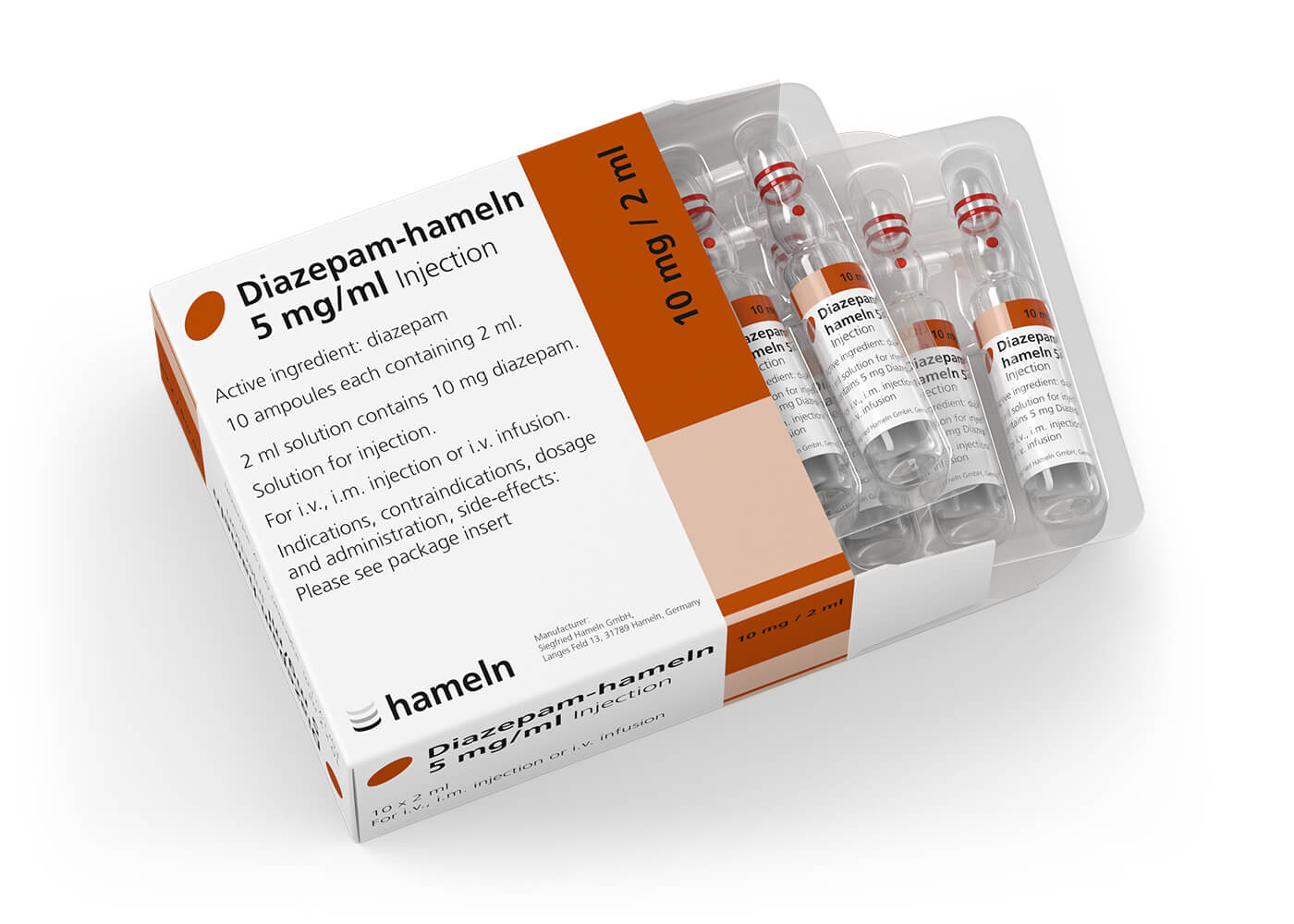
Diazepam, often recognized by its former brand name Valium, is a potent medication belonging to the benzodiazepine class. When prescribed at a dosage of 5mg, it acts as a central nervous system depressant, primarily used to manage symptoms related to anxiety, muscle tension, and neurological disorders. Understanding its medical role, safety profile, and regulatory status is essential for patients and caregivers alike.
Table of Contents
- Medical Indications for Diazepam
- How Diazepam Functions in the Body
- Safety Considerations and Risks
- Global Regulatory Status and Travel
- Integrating Wellness and Alternative Support
Medical Indications for Diazepam
Diazepam 5mg is a versatile therapeutic agent utilized in various clinical settings. It is generally prescribed for short-term use to address acute conditions that require rapid stabilization. Its primary medical indications include:
- Anxiety Disorders: It is used for the management of severe anxiety disorders and the short-term relief of symptoms associated with acute anxiety, such as agitation, tremor, and irritability.
- Skeletal Muscle Spasms: It serves as an effective adjunct treatment for relieving muscle discomfort and spasms associated with acute musculoskeletal conditions, trauma, or upper motor neuron disorders like cerebral palsy and paraplegia.
- Alcohol Withdrawal: In hospital settings, it is a standard intervention for managing the agitation, tremors, and hallucinations associated with acute alcohol withdrawal syndrome.
- Seizure Disorders: Diazepam is frequently used as an anticonvulsant. It is particularly effective as an initial treatment for status epilepticus and as an adjunctive therapy for recurring convulsive seizures.
- Preoperative Sedation: It is often administered before dental or medical procedures to produce a calming, sedative effect, reducing procedural anxiety and promoting a state of relaxation.
How Diazepam Functions in the Body
The therapeutic impact of Diazepam is rooted in its interaction with the brain’s neurotransmitter systems. Specifically, it acts as a positive allosteric modulator at the gamma-aminobutyric acid (GABA-A) receptors. GABA is the primary inhibitory neurotransmitter in the brain, responsible for “calming” neural activity.
By binding to these receptors, Diazepam increases the frequency of chloride channel opening. This movement of chloride ions into neurons leads to hyperpolarization, which reduces the excitability of the cells. This mechanism effectively quiets the overactive neural circuits that contribute to seizures, anxiety, and muscle tension, resulting in anxiolytic, sedative, anticonvulsant, and muscle-relaxant properties.
Safety Considerations and Risks
Due to its profound effect on the central nervous system, Diazepam must be used with extreme caution. The risks associated with benzodiazepines are well-documented and necessitate strict adherence to medical guidance.
- Dependency and Addiction: Diazepam carries a high risk of psychological and physical dependence, especially with prolonged use. It is typically recommended only for short-term courses (often less than four weeks).
- Respiratory and Cardiovascular Impact: High doses or combinations with other depressants (such as alcohol, opioids, or antihistamines) can cause severe respiratory depression, sedation, or even coma.
- Paradoxical Reactions: A small percentage of users may experience the opposite of the intended effect, leading to increased agitation, aggression, or confusion.
- Impairment: Diazepam significantly impacts cognitive function, coordination, and reaction times. Driving or operating heavy machinery while under its influence is dangerous and often illegal.
For those interested in the broader scientific landscape of pharmacology and public health, resources such as WorldScientificImpact.org offer insights into evidence-based medical research.
Global Regulatory Status and Travel
Diazepam is a controlled substance globally. In countries like the US, Canada, Brazil, Mexico, Australia, New Zealand, the United Kingdom, the Netherlands, Germany, and Switzerland, it is strictly regulated as a prescription-only medication.
Patients should be aware that carrying benzodiazepines across international borders can be legally complex. Some nations—particularly in parts of the Middle East and East Asia—classify Diazepam as an illegal or highly restricted substance. Always consult local embassies or customs authorities before traveling with prescription medications. If you require general historical or chemical data, Wikipedia can serve as an informational reference point, but it cannot replace official legal or medical counsel.
Integrating Wellness and Alternative Support
Many individuals seeking relief from stress or seeking to support their overall well-being explore a variety of holistic and botanical modalities alongside traditional medicine. At UKMUSHROOM.UK, we provide a curated range of products for those exploring alternative wellness paths:
- Buy Ibogaine in the UK
- Mushroom Edibles
- Pain Relief Pills
- Magic Truffles for Sale
- Mushroom Grow Kits
- Fresh Mushrooms
- Mescaline Cacti
For additional research and varied perspectives on health and botanical support, you may also explore ibogawell.com and buyoneupmushroombar.us. It is vital to discuss any new supplement or lifestyle change with your physician to avoid adverse interactions with prescribed medications like Diazepam.
No Responses