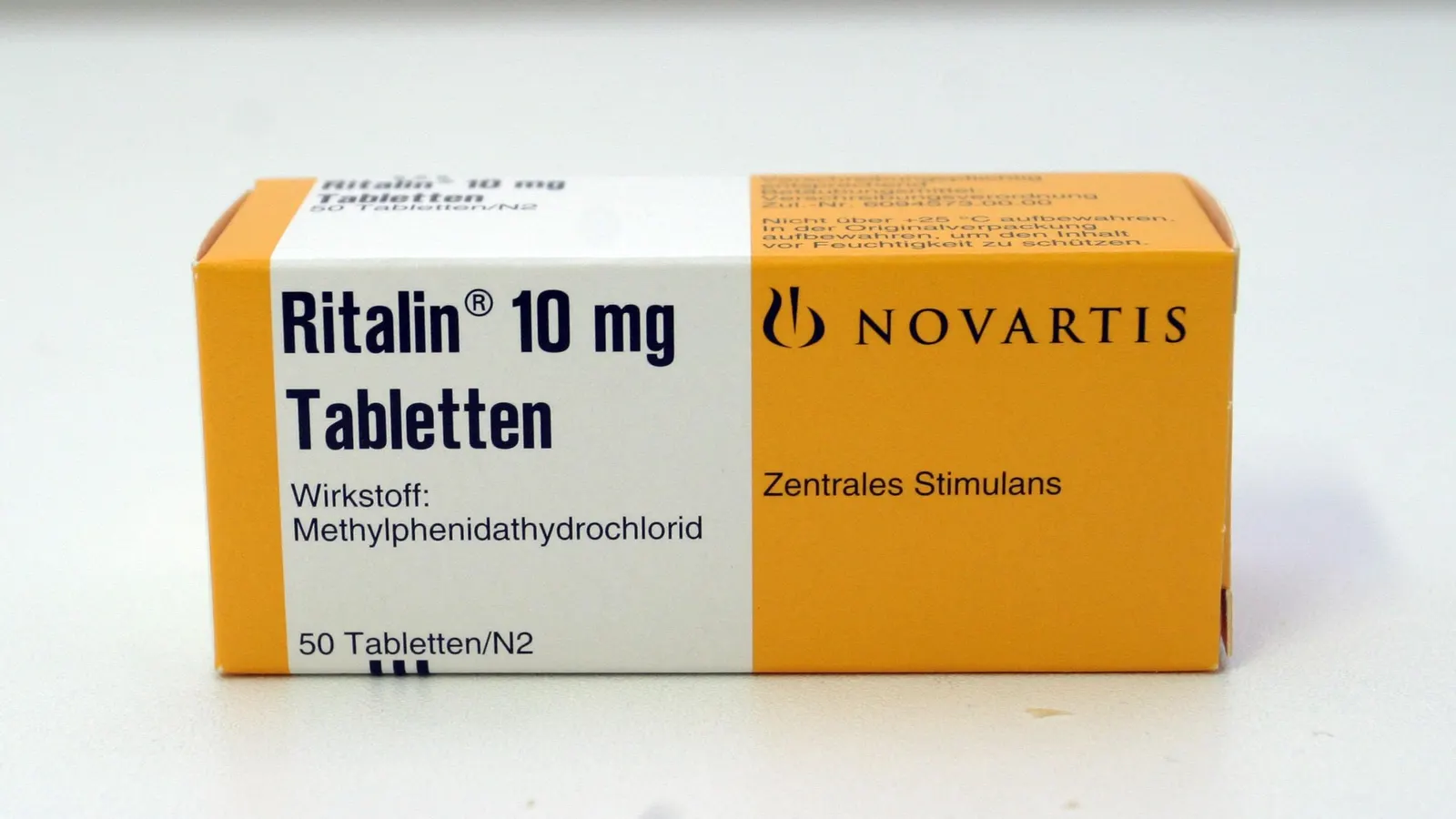
Ritalin, a brand-name formulation of methylphenidate hydrochloride, is one of the most widely recognized central nervous system (CNS) stimulants in modern medicine. Primarily prescribed for the management of neurodevelopmental conditions, it functions by modulating the concentration of key neurotransmitters in the brain. Understanding its therapeutic purpose, biological mechanism, and the regulatory environment surrounding its use is essential for patients and caregivers navigating treatment options.
Table of Contents
- Medical Indications for Ritalin
- Mechanism of Action: How Methylphenidate Works
- Global Regulatory Landscapes
- Safety, Dosage, and Clinical Monitoring
- Integrative Wellness and Botanical Support
Medical Indications for Ritalin
Ritalin is indicated primarily for the treatment of Attention Deficit Hyperactivity Disorder (ADHD) and narcolepsy. In the context of ADHD, it is utilized as an integral part of a comprehensive treatment program that typically includes psychological, educational, and social interventions.
For individuals with ADHD, Ritalin helps mitigate core symptoms such as inattention, hyperactivity, and impulsivity. By providing a consistent level of cognitive support, the medication enables patients to improve their executive function—the mental processes that allow for planning, focusing, and task completion. In the treatment of narcolepsy, Ritalin serves as a stimulant to promote wakefulness, helping to prevent the sudden sleep attacks that characterize this chronic sleep disorder.
Mechanism of Action: How Methylphenidate Works
The efficacy of Ritalin is derived from its ability to enhance the signaling of dopamine and norepinephrine within the synaptic cleft. Unlike some other stimulants, methylphenidate acts primarily as a reuptake inhibitor.
Normally, the brain removes neurotransmitters from the synapse through reuptake transporters to maintain chemical balance. Ritalin blocks these transporters, ensuring that dopamine and norepinephrine remain active in the neural pathways for a longer duration. This increased availability of neurotransmitters improves communication between neurons in the prefrontal cortex, the area of the brain responsible for impulse control and focus. Because it influences these critical chemical systems, Ritalin’s effects are profound, helping to normalize brain activity in individuals whose neurological architecture presents challenges with attention and regulation.
Global Regulatory Landscapes
Ritalin is a controlled substance across the globe, subject to strict oversight by health authorities in the US, Canada, Brazil, Mexico, Australia, New Zealand, the United Kingdom, the Netherlands, Germany, and Switzerland.
Regulatory bodies in these nations emphasize that while methylphenidate is a safe and effective treatment when used as prescribed, it carries a potential for misuse and psychological dependence. International travel with this medication requires careful planning, as regulations regarding stimulant prescriptions vary significantly. Patients often require a formal prescription and sometimes additional documentation to ensure legal compliance when crossing borders. For general background information on the history and pharmacological classification of this substance, Wikipedia serves as a helpful reference.
Safety, Dosage, and Clinical Monitoring
The administration of Ritalin requires professional medical guidance to determine the appropriate dosage for each individual. Clinical practice usually involves “titration,” where the physician begins with a low dose and gradually increases it to achieve the desired therapeutic effect while minimizing side effects.
Essential Safety Considerations
- Cardiovascular Health: Stimulants can increase heart rate and blood pressure. Consequently, Ritalin is generally contraindicated for individuals with pre-existing heart conditions, severe hypertension, or hyperthyroidism.
- Psychiatric Evaluation: Before initiation, patients should be screened for a history of bipolar disorder, depression, or psychosis, as stimulants may exacerbate these conditions in some instances.
- Common Side Effects: Frequently reported side effects include appetite suppression, insomnia, dry mouth, and mild increases in anxiety.
- Proper Storage: Because Ritalin is a controlled substance, it must be stored securely to prevent accidental ingestion or diversion.
For those interested in the broader scientific landscape of global health and medicine, WorldScientificImpact.org offers evidence-based research that can provide deeper context on the development of neurological treatments.
Integrative Wellness and Botanical Support
Many patients are increasingly interested in exploring integrative paths to wellness, often looking for natural alternatives or botanical supplements to support their daily health routines. At UKMUSHROOM.UK, we provide a curated range of high-quality products that cater to your wellness journey. You may explore our full range of categories here:
- Buy Ibogaine in the UK
- Mushroom Edibles
- Pain Relief Pills
- Magic Truffles for Sale
- Mushroom Grow Kits
- Fresh Mushrooms
- Mescaline Cacti
For additional research and diverse perspectives on the landscape of modern wellness, you may also explore ibogawell.com and buyoneupmushroombar.us. It is of paramount importance that you discuss any new supplement or treatment with your licensed healthcare provider to ensure that your wellness plan is safe and avoids any negative interactions with your prescribed medications.
No Responses