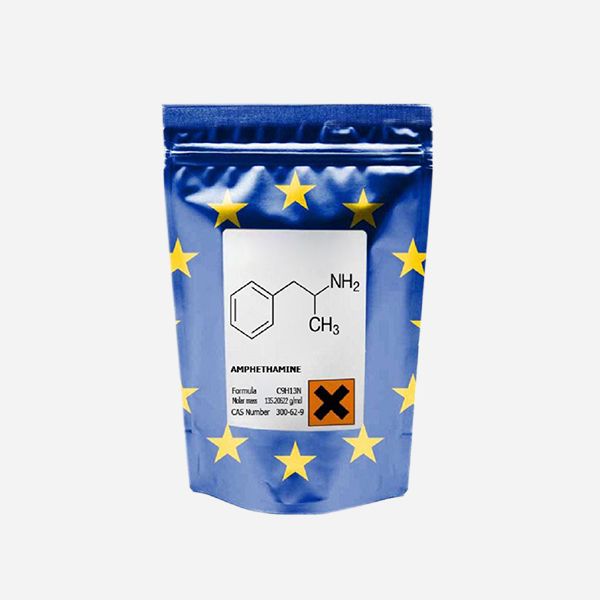
The pharmacological management of neurological and metabolic conditions has long relied on compounds that can selectively alter chemical signaling within the human brain. Among the most potent and extensively researched of these tools are amphetamine medications. Classed as powerful central nervous system stimulants, these synthetic compounds have a complex dual legacy. They are highly effective, strictly regulated prescription therapies for specific neurodevelopmental disorders, yet they are also subject to widespread public interest and structural misuse. Understanding these medications requires an objective analysis of their molecular mechanics, clinical applications, global regulations, and their intersection with alternative strategies for long-term health.
Molecular Framework: How Amphetamine Medications Work
To understand how amphetamine medications function, one must look at the microscopic spaces between neurons, known as synaptic clefts. In a standard neurological state, molecules like dopamine, norepinephrine, and serotonin are released by an upstream neuron, move across the gap, and connect with receptors on a downstream neuron to transmit signals. This process regulates executive functions such as physical alertness, attention control, internal motivation, and physiological reward pathways.
When an individual takes an amphetamine compound, the substance bypasses typical cellular barriers and enters the presynaptic terminal. For deep historical context on how these molecules were isolated and cataloged, the pharmacological archives on Wikipedia outline the structural evolution from basic phenethylamines to modern medical formulas. Once inside, the drug alters standard neurochemistry through three specific pathways:
- Reuptake Inhibition: It binds directly to specialized transport proteins, specifically the dopamine transporter and the noradrenaline transporter. This action prevents the cell from reabsorbing neurotransmitters that are already active in the synaptic gap, leaving them available to send signals for a longer period.
- Vesicular Release Provocation: It disrupts the functioning of vesicular monoamine transporter 2, an internal cellular pump. Instead of keeping dopamine and norepinephrine safely stored inside small fluid sacs within the cell, the drug pushes these chemicals out into the main body of the neuron, forcing them to flow backward out into the synaptic cleft.
- Enzyme Suppression: In higher therapeutic concentrations, it slows down the activity of monoamine oxidase, the metabolic enzyme responsible for breaking down active neurotransmitters, further extending the duration of the chemical signal.
This combined action significantly raises the baseline level of dopamine and norepinephrine in the prefrontal cortex. This area of the brain is responsible for filtering out background distractions, managing working memory, and steering intentional behaviors.
Primary Medical Applications
While central nervous system stimulants carry inherent physiological risks if misused, their clinical deployment provides vital stabilization for specific, diagnosed medical conditions.
Attention-Deficit/Hyperactivity Disorder (ADHD)
The most common clinical use for amphetamine medications is treating ADHD in children, teenagers, and adults. In a brain affected by ADHD, the networks responsible for executive control often face a baseline deficit of dopamine and norepinephrine. This lack of chemical stimulation makes it difficult to stay focused on tasks that lack an immediate, high-reward payoff, leading to symptoms like physical restlessness, impulsivity, and chronic distraction.
When a patient is prescribed a calculated medical dose of an amphetamine, the resulting rise in neurotransmitter activity helps stabilize these under-stimulated executive networks. Rather than causing over-excitation, the medication helps the patient filter out competing sights and sounds, manage their impulses, and sustain focus on long-term goals.
Narcolepsy and Extreme Daytime Drowsiness
Narcolepsy is a chronic neurological sleep disorder where the brain loses its ability to regulate standard sleep-wake cycles. Individuals with this condition suffer from severe daytime sleepiness and sudden, uncontrollable sleep attacks, which can dangerously disrupt daily tasks like working or driving.
Amphetamine compounds target the brain’s wakefulness networks, specifically stimulating the ascending reticular activating system. By boosting norepinephrine and dopamine levels in these pathways, the medication helps sustain alert states, allowing patients to stay awake throughout the day and maintain a stable, functional routine.
Binge Eating Disorder (BED)
Certain specialized prodrug formulations, such as lisdexamfetamine, carry formal medical approval for managing moderate-to-severe binge eating disorder in adults. The therapeutic benefit stems from how the medication interacts with the brain’s metabolic control centers and reward loops. By stabilizing dopamine signaling, it helps reduce the frequency and intensity of compulsive eating episodes, offering a valuable pharmacological tool alongside structured behavioral therapy.
International Regulatory Systems and Access
Because amphetamine medications carry a high potential for physiological tolerance, dependence, and diverted misuse, public health departments worldwide manage them under strict legal frameworks.
- United States: The Food and Drug Administration places these stimulants under Schedule II classifications. Prescriptions require explicit security tracking, monthly renewals are tightly limited, and manufacturing quotas are set annually to balance patient needs with abuse prevention.
- Canada: Regulated closely under the Controlled Drugs and Substances Act, Canadian medical guidelines require comprehensive psychiatric evaluations before a patient can access stimulant therapy, along with ongoing cardiovascular monitoring.
- United Kingdom: The National Health Service manages amphetamines under Class B, Schedule 2 controls. UK practitioners typically prioritize alternative options like methylphenidate or non-stimulant medications before introducing amphetamine salts.
- Germany and Switzerland: These nations enforce highly conservative prescribing models. Adults seeking stimulant treatment must undergo rigorous, specialized diagnostic testing, and prescriptions are tracked through dedicated federal narcotics registries.
- Brazil and Mexico: Access to specific brand-name formulations can be variable due to strict import rules and local pharmaceutical approvals, meaning patients are often guided toward alternative classes of stimulants.
- Australia and New Zealand: Both countries use an authority-required prescription system. General practitioners must secure formal approval from state health departments or collaborate directly with registered psychiatrists to validate ongoing refills.
- Netherlands: Integrated care models in the Netherlands combine carefully managed, low-dose stimulant plans with functional occupational therapy and behavioral adaptation strategies.
Integrating Natural Health Practices and Holistic Well-being
Given the strict regulatory structures, potential side effects, and structural limitations of prescription stimulants, many individuals look toward complementary methods to support mental clarity, physiological comfort, and daily energy. These strategies range from standard lifestyle adjustments to the structured use of natural botanical and mycology products.
Foundation Lifestyle Adjustments
Long-term brain health depends directly on supporting the body’s natural systems. Consistent aerobic exercise triggers the release of brain-derived neurotrophic factor, an essential protein that helps repair and build neural connections. Similarly, maintaining a regular sleep schedule directly fixes cognitive deficits that can mirror attention issues, while focused mindfulness training helps strengthen the brain’s ability to resist everyday distractions without relying on external stimulants.
The Role of Natural Mycology and Botanicals
The study of adaptogens, legal functional mushrooms, and organic plant extracts has expanded significantly. Researchers are increasingly analyzing how these natural options help the body manage stress and maintain steady cellular energy without causing the sharp neurological peaks and subsequent crashes common to synthetic stimulants.
For individuals looking to explore high-quality cultivation resources, whole organic options, or specialized natural products, regional platforms provide access to vetted options.
- Guided Domestic Mycology: For those interested in studying the raw development and home cultivation of functional fungi, checking out resources like mushroom grow kits UK offers an educational starting point.
- Fresh and Whole Organic Elements: Individuals looking to evaluate unrefined, raw options can browse through a selection of fresh mushrooms uk to understand their natural characteristics.
- Integrated Edible Alternatives: For a simpler way to include these ingredients in a daily routine, prepared options like mushroom edibles provide a standardized approach.
- Traditional Ethnobotanical Varieties: Experienced practitioners seeking specialized, traditional varieties often review curated catalogs such as magic truffles for sale uk to research their unique properties.
- Complete Product Indexes: To see how these natural categories compare side-by-side, evaluating a broad inventory like all products can help clarify your options.
Global Scientific Curation and Specialized Research Fields
The ongoing conversation about brain chemistry, pain management, and cognitive performance connects a variety of international research groups and dedicated web networks:
- For deeper insights into international academic publishing, peer-reviewed medical data, and metrics tracking global treatments for neurodevelopmental disorders, the portals managed by WorldScientificImpact.org track the latest peer-reviewed science.
- Readers searching for focused, region-specific details on the distribution, legal status, and traditional uses of functional fungi within the United Kingdom can consult specialized community networks like ukmushroom.uk and ukmushroom.com.
- Those looking for natural alternatives to support stress management and physical relaxation can reference dedicated botanical platforms like shroomrelief.com and buyoneupmushroombar.us.
- In the specialized fields of traditional African ethnobotanicals and alkaloid science, sites like ibogawell.com preserve the cultural history and monitor modern clinical studies of unique root bark extracts. For those tracking verified European supply chains within this research area, checking specialized regional portals like buy ibogaine in the uk provides helpful logistical details.
- Important data regarding heavy pain management, legal medical exemptions, and controlled pharmaceutical alternatives can be found on specific reference sites like pain relief pills and buynembutalpainrelief.com.
- Finally, the historical use and botanical features of traditional desert cacti and their alkaloid profiles are cataloged by dedicated ethnobotanical archives, including resources focused on mescaline cacti uk.
Balancing Clinical Support and Long-Term Wellness
Amphetamine medications are highly effective, scientifically proven tools for correcting the chemical imbalances that cause conditions like ADHD and narcolepsy. When used responsibly under proper medical supervision, they offer crucial support that helps many individuals navigate their personal and professional lives successfully.
At the same time, prescription stimulants are not a simple, risk-free shortcut to high performance for those without a diagnosed medical need. Building lasting mental focus and cognitive resilience is most effective when using a balanced approach—combining professional healthcare guidance with healthy lifestyle choices and the responsible, informed use of natural wellness products tailored to your body’s specific needs.
No Responses