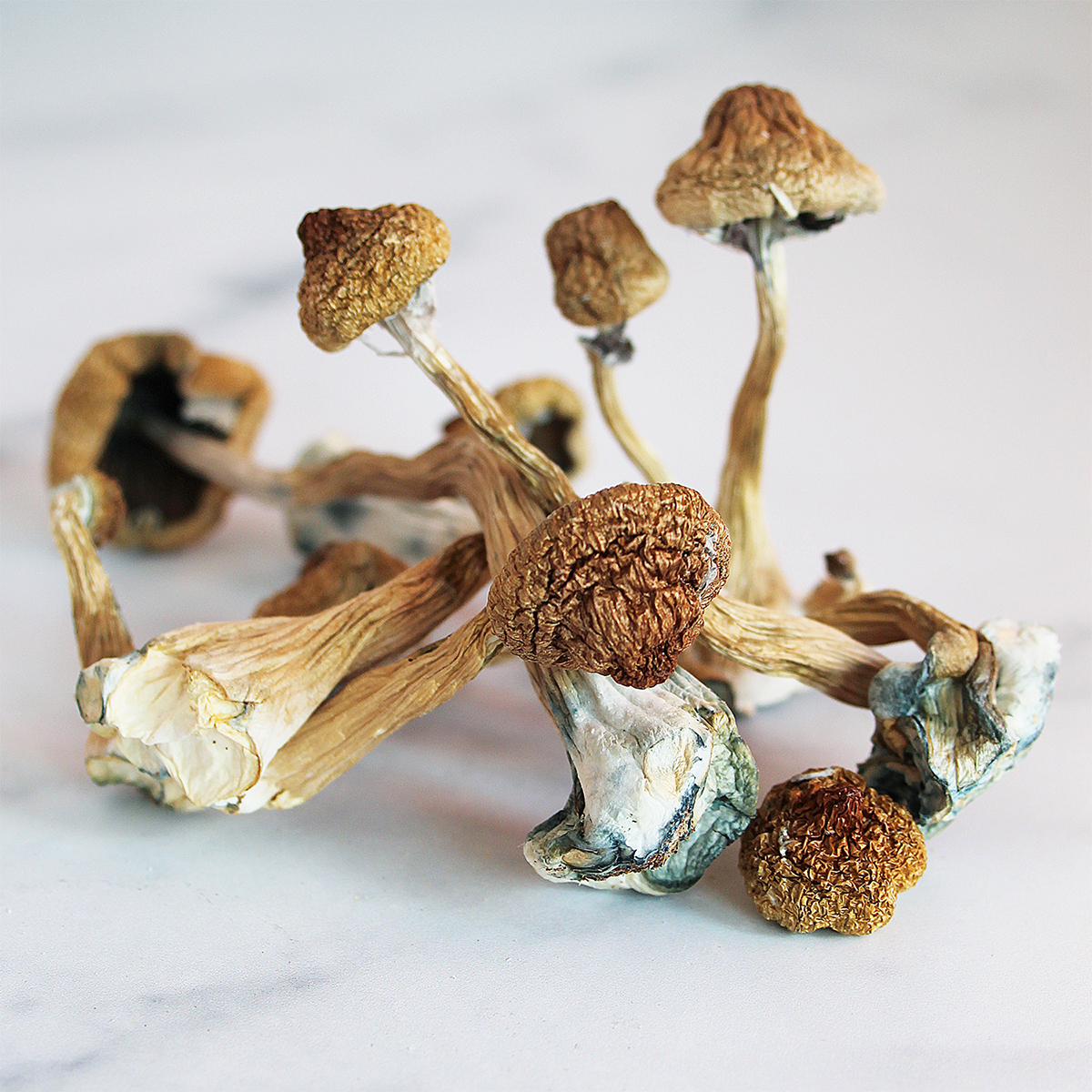
The global scientific community has experienced a notable resurgence of interest in kingdom Fungi, particularly regarding the genus Psilocybe. Among the numerous naturally occurring variants, African Transkei mushrooms hold a distinct historical and botanical position. Originally documented along the Wild Coast of South Africa, this specific strain of Psilocybe cubensis has drawn the attention of mycologists, researchers, and ethnobotanists globally, from the United States and Canada to the United Kingdom and continental Europe.
Understanding the properties, biological mechanisms, and legal structures governing these organisms is critical for researchers operating within legal frameworks. This comprehensive analysis details the background of the African Transkei variant, its structural identifiers, its chemical profile, and the severe regulatory restrictions enforced across multiple international jurisdictions.
The Origin and History of the Transkei Variant
The African Transkei strain represents a landmark finding in modern mycology as the first widely recognized Psilocybe cubensis variant isolated natively on the African continent. Discovered in 2002 near the Wild Coast in the Transkei region of South Africa, the fungus was found growing naturally in dung substrates beneath the shade of coastal trees.
The Transkei region itself features a humid subtropical climate, providing the high ambient humidity and warm temperature ranges necessary for the mycelium to colonize organic matter and successfully produce fruiting bodies. Following its isolation, spore samples were introduced to international mycological repositories, allowing scientists globally to study its structural adaptations compared to classic Central and South American variants.
Mycological Characteristics and Structural Profile
Like all variants belonging to the species Psilocybe cubensis, African Transkei mushrooms display specific morphological markers during their developmental life cycle. Recognizing these features is essential for taxonomic classification and laboratory identification.
Cap Development (Pileus)
In its early stages, the cap appears subglobose to conic, gradually expanding into a convex shape, and eventually flattening out at full maturity. The coloration begins as a deep yellowish-brown or chestnut shade, which fades to a lighter straw-yellow or cream color as the tissue expands and dries. A key characteristic of the Transkei variant is its tendency to retain persistent, white veil remnants across the surface of the pileus, giving it a slightly speckled appearance.
Stem Structure (Stipe)
The stipe is typically slender, fibrous, and hollow in mature specimens. It ranges from off-white to yellowish-tinted shades. The tissue is highly reactive to mechanical stress; when handled, bruised, or damaged, the cellular walls undergo rapid oxidation, resulting in a distinct blue-green discoloration. This reaction is a primary diagnostic indicator for psilocybin-containing species.
Gills and Spore Print
The lamellae (gills) are closely spaced and attached directly to the stem (adnate). They transition from a pale greyish color in young fruiting bodies to a dark purplish-brown or near-black coloration as the spores mature. A diagnostic spore print reveals a deep violet-brown to black deposit, which serves as a definitive marker separating it from toxic lookalikes.
Chemical Profile and Biochemical Mechanisms
The primary active constituents within African Transkei mushrooms are the alkaloids psilocybin and psilocin, alongside trace amounts of secondary compounds such as baeocystin and norbaeocystin. These compounds function as secondary metabolites, likely serving an evolutionary purpose to deter specific insect predators.
$$\text{Psilocybin} \xrightarrow{\text{Dephosphorylation via Alkaline Phosphatase}} \text{Psilocin}$$
When ingested by mammals, psilocybin behaves as a prodrug. The acidic environment of the stomach and the action of the enzyme alkaline phosphatase strip away the phosphate group, converting the compound into its active form, psilocin.
Psilocin is structurally analogous to the endogenous neurotransmitter serotonin (5-hydroxytryptamine, or 5-HT). Because of this structural similarity, psilocin binds with high affinity to serotonin receptors in the central nervous system, particularly the 5-HT2A receptor subtype. This binding alters neurotransmission within the prefrontal cortex, leading to profound shifts in sensory perception, altered cognitive processing, and temporary disruption of the brain’s Default Mode Network (DMN).
UK and Global Legal Status Framework
The legal landscape surrounding psilocybin-containing mushrooms is highly restrictive. Individuals interested in mycology must carefully navigate the specific statutes active in their home countries.
| Jurisdiction | Legal Status of Fruiting Bodies | Status of Spores / Mycelium |
| United Kingdom | Class A Controlled Drug | Illegal to possess or distribute if intended for cultivation |
| United States | Schedule I Controlled Substance | Federally illegal (State-level decriminalization varies) |
| Canada | Schedule III Controlled Substance | Restricted to authorized medical research frameworks |
| Germany | Anlage I Controlled Substance | Illegal to possess, cultivate, or distribute |
| Australia | Schedule 9 (Prohibited Substance) | Strictly illegal outside approved clinical trials |
United Kingdom Regulations
Under the Misuse of Drugs Act 1971, psilocybin and psilocin are designated as Class A controlled drugs. While an older legal loophole once permitted the sale of fresh, unprepared magic mushrooms, the Drugs Act 2005 closed this completely. Currently, possessing, cultivating, or distributing any form of industrialized or natural psilocybin mushroom constitutes a serious criminal offense in the UK.
Mushroom spores themselves do not natively contain psilocybin or psilocin. However, under UK law, importing or possessing spore syringes or spore prints with the intent to cultivate them into fruiting bodies remains an offense under the act of facilitating the production of a Class A drug.
Continental Europe: Germany, Switzerland, and the Netherlands
In Germany, Psilocybe variants are regulated under Anlage I of the Betäubungsmittelgesetz (BtMG), rendering production and possession fully illegal. Switzerland maintains a similar stance under its Federal Narcotics Act.
The Netherlands presents a unique regulatory variation: while mature psilocybin fruiting bodies (magic mushrooms) were officially banned in 2008, the underground sclerotia produced by specific strains—commonly referred to as magic truffles—remain legally available for commercial sale and purchase under Dutch law due to structural distinctions in the phrasing of the legislation.
Americas and Oceania
In the United States, psilocybin remains categorized as a Schedule I substance under the federal Controlled Substances Act, indicating a high potential for abuse and no accepted medical use, though localized municipal decriminalization has occurred in specific states like Oregon and Colorado. Canada classifies the substance under Schedule III, strictly limiting legal access to specialized clinical trials or individual exemptions granted via Health Canada’s Special Access Program.
Australia and New Zealand categorize the genus under strict prohibited substance schedules, though Australia updated regulations in recent years to allow approved psychiatrists to prescribe psilocybin specifically for treatment-resistant depression within highly controlled clinical settings.
Academic Research and Clinical Exploration
Despite their status as prohibited materials for general consumption, psilocybin-containing fungi are undergoing intensive scientific investigation globally. Major academic institutions are evaluating the therapeutic potential of synthetic psilocybin for managing complex psychological conditions, including major depressive disorder, post-traumatic stress disorder (PTSD), and end-of-life anxiety.
These studies are conducted exclusively inside clinical facilities utilizing pure, laboratory-synthesized compounds rather than wild organic material, ensuring precise dosing and the minimization of adverse physiological responses. Outside of these sanctioned scientific and medical settings, the possession or cultivation of African Transkei mushrooms remains subject to severe law enforcement penalties across the globe.
No Responses