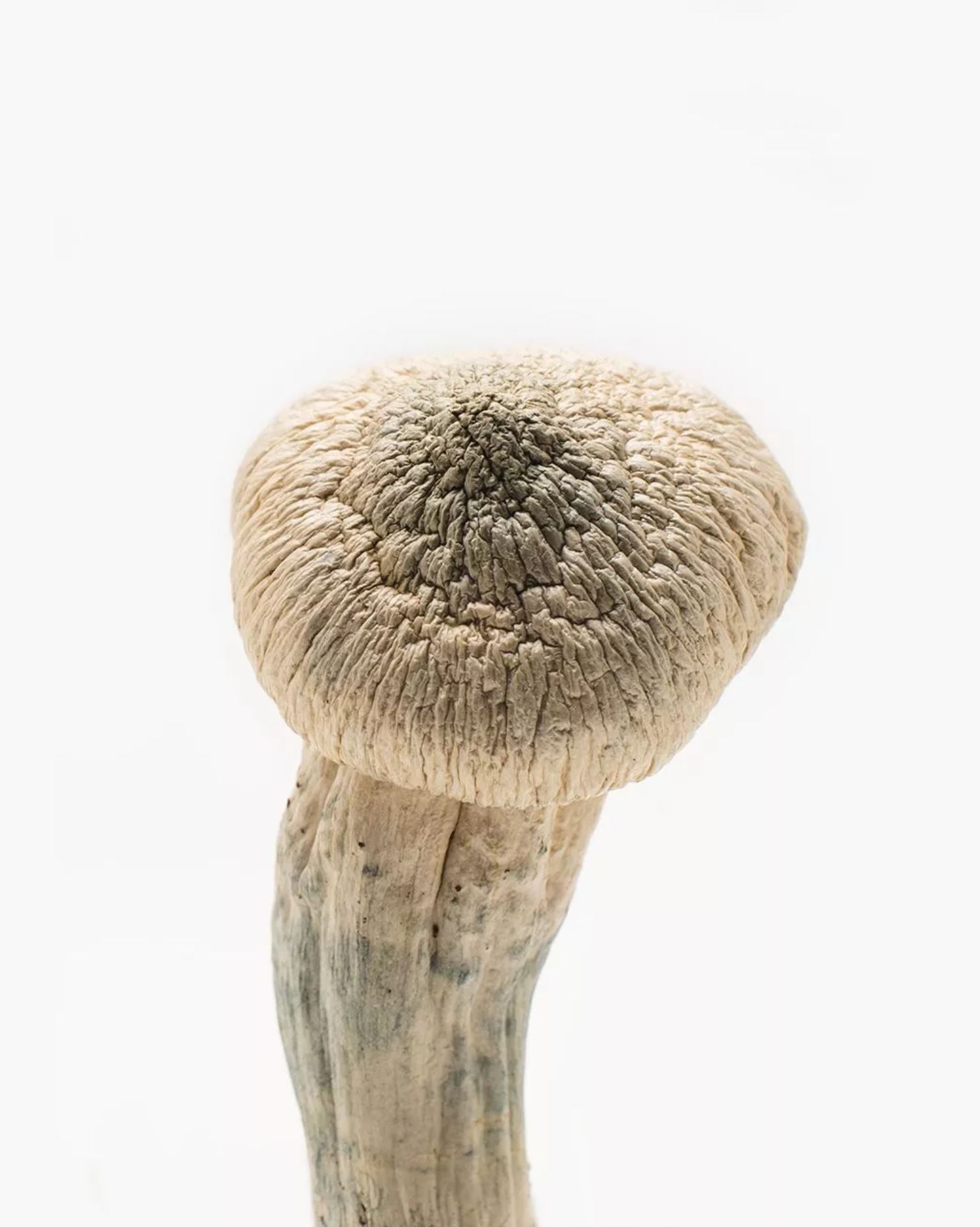
The study of psychoactive fungi has transitioned from historical subcultures into mainstream laboratory spaces across the United Kingdom, the United States, and Western Europe. Among the diverse array of Psilocybe cubensis lineages, few specimens command as much fascination from taxonomists and clinical researchers as the Albino Penis Envy variant. This specific lineage represents a unique genetic mutation that fundamentally alters the organism’s biological structures, development cycles, and biochemical concentration.
As regulatory frameworks evolve in global research hubs such as Canada, Switzerland, and the Netherlands, understanding these structural anomalies becomes vital. By evaluating the underlying mutations, researchers can better comprehend how physical traits align with secondary metabolite production. This scientific exploration provides deep insights into the mechanical properties, metabolic pathways, and academic value that place this variant at the center of modern fungal isolation.
1. Taxonomic Background and Genetic Lineage
The global mapping of fungal genomes relies heavily on public reference repositories like Wikipedia. These databases classify Psilocybe cubensis as a coprophilous agaric fungus. Within this overarching species, localized selective breeding and accidental laboratory mutations have yielded highly distinct strains. The lineage began with the classic “Penis Envy” variant, which was initially stabilized due to its dense, club-like stalks and restricted cap development.
The albino mutation occurred as a true genetic deviation rather than a standard environmental reaction. It was isolated through careful spore selection, combining the unusual physical form with a total lack of pigment production. This separation created an independent sub-strain that completely lacks the typical golden-brown tones found in wild varieties. The resulting organism serves as a valuable model for studying phenotypic expressions, tissue isolation techniques, and the stability of traits across successive fungal generations.
2. Microscopic and Macroscopic Characteristics
The physical features of this mutation differ sharply from standard wild-type mushrooms, presenting a unique appearance that is immediately recognizable under laboratory observation.
[Dense, Thick Stalk] ---> [Unexpanded, Pale Cap] ---> [Absence of Velum (Veil)]
Stalk and Cap Density
Unlike typical varieties that feature thin, fibrous stems, this variant produces exceptionally thick, dense, and chalky white stalks. The caps remain small, tight, and poorly developed throughout the entire fruiting cycle, often failing to expand or open horizontally. As the organism matures, the pale cap frequently takes on deep metallic blue or translucent hues along its edges, which indicates the oxidation of internal alkaloids.
Spore Development and the Gill Matrix
One of the most significant challenges for laboratory analysis is the structural alteration of the reproductive system. The gills are poorly formed and rarely produce a vertical drop of dark spores. Instead, the spores are clear or completely translucent, remaining tightly trapped within the immature gill tissue.
Furthermore, the physical lack of a protective partial veil means the cap never detaches cleanly from the stem, forcing mycologists to rely on direct tissue culture rather than traditional spore printing. For researchers seeking to study alternative, non-restricted fungal structures, reviewing premium, legal cultivation supplies like mushroom grow kits uk offers an excellent way to examine normal development patterns.
3. Biochemical Synthesis and Psilocybin Research
From an analytical perspective, this variant is highly valued for its intense synthesis of secondary metabolites. Academic papers indexed by WorldScientificImpact.org indicate that structural mutations often coincide with increased metabolic activity within the organism’s mycelial pathways.
Psilocybin (Prodrug) ---> Dephosphorylation (In Vivo) ---> Psilocin (Active 5-HT2A Agonist)
The underlying genetic shift accelerates the production of key alkaloids:
- Psilocybin: A stable prodrug that converts into the active compound during metabolic breakdown.
- Psilocin: The primary compound responsible for interacting with central nervous system pathways.
- Baeocystin: A secondary tryptamine derivative that contributes to the overall chemical profile.
High-performance liquid chromatography (HPLC) testing consistently shows that this variant maintains a significantly higher ratio of active alkaloids per gram of dry mass compared to standard varieties. The dense, slow-growing nature of the tissue allows for an extended window of chemical synthesis prior to harvest. This reliable potency makes it a critical reference standard in clinical settings exploring neuroplasticity and rapid-acting psychological therapies.
4. International Regulatory Landscapes
The academic assessment of psychoactive materials depends entirely on regional laws, which vary significantly across different continents.
| Country | Legal Status of Active Compounds | Research Accessibility |
| United States | Schedule I (Federal), Local Decriminalization | High via DEA-approved laboratories |
| United Kingdom | Class A / Controlled Substance | Restricted to specialized Home Office licenses |
| Netherlands | Sclerotia permitted, Whole Fungi restricted | Open academic and commercial infrastructure |
| Australia | Approved for prescription use in clinical therapy | Growing medical framework |
| Brazil | Fungi decriminalized, Compounds restricted | Broad academic freedom for native studies |
In many regions, strict laws prevent the distribution of mature mushrooms while allowing the exchange of sterile spore solutions for microscopic verification. This legal separation has created an active global market focused strictly on conservation and genetic study. Researchers in Germany, Mexico, and New Zealand rely on specialized import licenses to obtain verified samples without breaking local customs or public safety laws.
5. Medical Potential and Therapeutic Context
The sudden increase in clinical studies involving psychoactive alkaloids points toward a major shift in modern mental health care. Emerging trials in major universities explore how controlled exposure to these active compounds can reshape deeply ingrained neural pathways. This process offers a promising path forward for conditions that have proven resistant to traditional daily medications.
Addressing Treatment-Resistant Depression
For individuals dealing with persistent depressive states, standard medical options often fail to provide lasting relief. Ongoing research explores how a single, controlled therapeutic dose can disrupt chronic, negative thought patterns by temporarily lowering activity in the brain’s default mode network.
Those tracking advanced mental health interventions can find valuable context regarding global therapeutic updates at shroomrelief.com. This clinical approach focuses on encouraging long-term emotional flexibility rather than simply masking daily symptoms.
Mitigation of Existential Anxiety
Clinical trials involving individuals facing advanced medical diagnoses show a significant reduction in existential distress following targeted therapeutic sessions. By encouraging intense introspection and personal insight, the experience helps patients process deep anxiety in a supportive setting.
For historical context on the study of alternative pain relief and terminal sedation methods, resources like buynembutalpainrelief.com document the long transition from traditional sedatives to modern psychological tools.
6. Sourcing Legal Fungi and Mycological Alternatives
Because handling restricted varieties carries significant legal risks in the UK and Europe, many scholars turn their attention to non-controlled species. These alternative options allow for the safe study of active fungal behaviors without the risk of regulatory violations.
       [Fungal Study Options]
                 |
      +----------+----------+
      |                     |
[Restricted Fungi]   [Permitted Alternatives]
  (Strict Permits)     (Open Laboratory Study)
For those working within strict regional guidelines, sourcing verified legal specimens from trusted platforms like ukmushroom.uk ensures full compliance with all local laws. Exploring alternative, fully permitted fungal options allows researchers to study complex mycelial growth and cellular structures without regulatory delays:
- Fresh Mycological Samples: Exploring live tissues via fresh mushrooms uk lets researchers observe natural cellular decay and real-time tissue oxidation under a microscope.
- Advanced Dormant Specimen Analysis: Scholars studying survival adaptations can utilize options like magic truffles for sale uk to observe how dense subterranean cell structures store nutrients through long dormant periods.
- Edible Liquid Extracts and Formulations: Examining commercial processing methods via mushroom edibles allows labs to analyze how heat and preservation adjust the breakdown of active nutrients.
7. Comparative Ethnopharmacology and Global Fungal Alternatives
To fully appreciate the role of active fungi in modern science, it helps to compare them to other natural compounds used in traditional practices around the world. For instance, the rigorous study of African root bark isolates at ibogawell.com shows how different natural compounds target distinct receptors in the brain to disrupt addictive behaviors.
Similarly, researchers tracking alternative treatments can find useful context by examining certified medical options at ukmushroom.com, which highlights the growing intersection of traditional remedies and modern consumer wellness products.
   [Natural Alkaloid Research]
                |
     +----------+----------+
     |                     |
[Tryptamines]         [Isoquinoline Alkaloids]
(Psilocybin/Fungi)     (Iboga/Cacti Extractions)
This cross-disciplinary research helps scientists map out a wide range of natural compounds, each offering unique applications for health and wellness:
- Traditional African Root Isolates: Researchers looking into intense cellular recovery can explore specialized platforms like buy ibogaine in the uk to study how these intense root extracts interact with neural addiction pathways.
- Traditional Pain Relief Alternatives: Laboratories studying natural pain management can review options like pain relief pills to see how modern science standardizes natural compounds for daily comfort.
- Commercial Fungal Branding and Trends: Evaluating public distribution shifts via buyoneupmushroombar.us shows how manufacturers package natural ingredients for mainstream consumer markets.
- Arid Plant Alkaloid Extractions: For scientists studying long-term chemical defense mechanisms in plants, analyzing specimens via mescaline cacti uk provides an excellent look at how desert plants produce protective compounds over decades of growth.
8. Microscopic Analysis and Laboratory Protocol
To ensure accurate identification and maintain clean cultures when studying this unique mutation, laboratory teams must follow strict, multi-step containment procedures.
1.Sterilization of Workspace:Phase 1.
Clean the entire laminar flow hood workspace using a 70% isopropyl alcohol solution. Run the HEPA filtration system for at least 30 minutes to remove any airborne particles before introducing any live fungal tissues.
2.Tissue Extraction via Clean Isolation:Phase 2.
Because this specific mutation rarely drops usable spores, split the dense stalk open longitudinally using a flame-sterilized scalpel. Extract a tiny, clean piece of internal tissue from the center of the stem, ensuring the sample has no exposure to external air.
3.Inoculation onto Nutrient Agar Plates:Phase 3.
Place the clean tissue sample directly onto a sterile, nutrient-rich agar plate. Seal the edges immediately with breathable laboratory tape to keep out contaminants while allowing essential gas exchange.
4.Incubation and Mutation Monitoring:Phase 4.
Store the sealed plates in a dark, temperature-controlled environment kept consistently between 21°C and 24°C. Monitor the plates daily for the appearance of bright white, thread-like mycelial growth, which confirms a successful, uncontaminated isolation.
9. Conclusion: The Future of Exceptional Fungal Mutations
The distinct characteristics of the Albino Penis Envy mutation underscore the incredible adaptability and genetic depth of the fungal kingdom. By completely altering its physical shape and shifting its metabolic focus toward dense alkaloid production, this organism has earned a central role in modern mycological research.
As global research networks continue to expand across Europe, the Americas, and Australia, these specialized strains will remain vital tools for mapping out fungal pathways. By combining traditional tissue isolation with advanced genomic sequencing, science continues to unlock the deep therapeutic and biological potential of these unique organisms.
References
- Kurzbaum, E., Páleníček, T., Shrchaton, A., Azerrad, S., & Dekel, Y. (2025). Exploring Psilocybe cubensis Strains: Cultivation Techniques, Psychoactive Compounds, Genetics and Research Gaps. Journal of Fungi, 11(2), 99. https://doi.org/10.3390/jof11020099Cited by: 18
- McKernan, K., Kane, L. T., Crawford, S., Chin, C. S., Trippe, A., & McLaughlin, S. (2021). A draft reference assembly of the Psilocybe cubensis genome. F1000Research, 10, 281. https://doi.org/10.12688/f1000research.51613.2Cited by: 15
No Responses