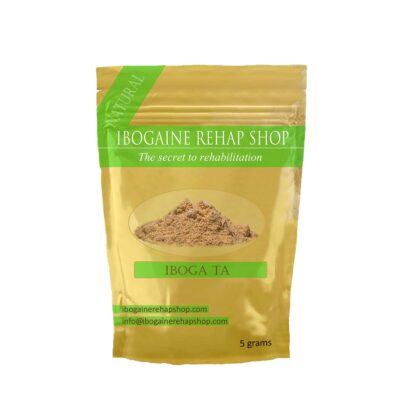
The global conversation surrounding alternative therapies, neurological recovery, and profound psychoactive experiences frequently centers on two closely related terms: Iboga vs Ibogaine. While these terms are routinely used interchangeably in public forums and casual discussions, they represent entirely distinct modalities, chemical structures, and therapeutic paradigms.
Understanding the precise differences between the raw botanical matrix and the isolated, single-molecule alkaloid is absolutely essential for researchers, clinicians, and consumers navigating the emerging landscape of neuroplastic therapeutics.
1. What is Iboga? The Sacred Botanical Source
Iboga refers strictly to the whole plant material derived from Tabernanthe iboga, a perennial rainforest shrub native to Central West Africa, primarily thriving in Gabon, Cameroon, and the Republic of Congo. Within these regions, the plant is deeply integrated into the cultural and spiritual fabric of indigenous communities, particularly within the Bwiti spiritual practices.
To understand the core botany, history, and scientific classification of this rare rainforest shrub, researchers frequently consult comprehensive biological entries found on Wikipedia.
The Full-Spectrum Alkaloid Matrix
When individuals consume iboga traditionally, they are not consuming a single isolated substance. Instead, they ingest the shredded or powdered root bark of the plant, which contains a highly complex chemical matrix. The indole alkaloids make up approximately 6% of the chemical composition of the root bark.
Within this natural matrix, scientists have identified dozens of distinct alkaloids. While ibogaine is the most abundant and famous component, it coexists with a large family of companion compounds, including:
- Ibogamine
- Tabernanthine
- Voacangine
- Coronaridine
- Iboxygaine
- Ibogaline
This dense combination of compounds creates what pharmacologists refer to as an entourage effect. The multiple secondary alkaloids engage various receptor systems simultaneously across the central nervous system, modifying the speed of absorption, the metabolic pathways, and the ultimate subjective experience.
2. What is Ibogaine? The Isolated Active Principle
Ibogaine is a single, isolated monoterpenoid indole alkaloid found within the root bark of the Tabernanthe iboga plant. It was first successfully isolated and crystallized by chemists in 1901. Unlike full-spectrum iboga root bark, pharmaceutical-grade ibogaine is typically prepared as a purified salt, most commonly Ibogaine Hydrochloride (HCl), achieving a purity level between 95% and 99.9%.
Because direct isolation from wild Tabernanthe iboga can be inefficient and poses sustainability risks to native African forests, modern laboratory production often relies on semi-synthesis. In this process, chemical precursors such as voacangine are extracted from more abundant, sustainably cultivated companion plants like Voacanga africana and then converted directly into pure ibogaine HCl.
The Mechanism of Action
From a clinical and pharmacological standpoint, pure ibogaine operates as a profound systemic interrupter. Its pharmacology is exceptionally complex, as it does not target a single receptor. Instead, it exhibits low-to-moderate affinity across a broad web of neurochemical targets, including:
- NMDA Receptors: Acting as an antagonist, which helps modulate glutamate signaling and plays a key role in breaking down deeply ingrained behavioral habits.
- Opioid Receptors: Showing affinity for both mu- and kappa-opioid receptors, which directly impacts how the brain processes pain and reward signals.
- Serotonin Transporters: Influencing the monoamine system to lift mood and alter perception.
- Sigma-2 Receptors: Engaging pathways that are currently being studied for their protective properties within brain cells.
One of the most significant discoveries in modern neuroscience regarding ibogaine is its ability to stimulate the expression of neurotrophic factors, such as Glial Cell Line-Derived Neurotrophic Factor (GDNF). This action essentially triggers a cascade of neuroplasticity, allowing neural pathways to adapt, reorganize, and build new connections.
3. Key Differences: Comparing Iboga vs Ibogaine
To properly evaluate Iboga vs Ibogaine, it helps to analyze how their chemical structures translate into entirely different experiences, delivery methods, and safety considerations.
Chemical Complexity vs. Single-Molecule Precision
The primary structural difference rests on full-spectrum complexity versus clinical isolation. Raw iboga root bark contains unpredictable ratios of alkaloids based on soil conditions, the age of the plant, and the specific harvest time. This makes precise clinical dosing extremely difficult, as one batch of root bark may contain significantly higher alkaloid concentrations than another.
Pure ibogaine HCl removes this unpredictability entirely, allowing medical teams to calculate exact milligram-per-kilogram dosages tailored strictly to an individual’s body weight and metabolic rate.
Ceremonial Experience vs. Clinical Intervention
The presence of secondary alkaloids in raw iboga fundamentally alters the duration and nature of the psychoactive experience. A traditional iboga ceremony utilizing raw root bark is highly demanding on the physical body, often characterized by extended periods of physical immobility, intense purging (nausea and vomiting), and an immersive, multi-day visionary experience that can last anywhere from 36 to 72 hours. The companion alkaloids like tabernanthine and ibogaline contribute heavily to this long, deeply introspective, and culturally rooted journey.
In contrast, clinical ibogaine HCl administrations are structured as focused, time-managed therapeutic interventions. The primary visionary or “oneirogenic” (dream-like) phase is more consolidated, generally lasting between 12 and 24 hours, followed by a period of quiet reflection. Because it lacks the heavy plant matter and secondary compounds, the acute physical stress load is more predictable and easier to manage in a dedicated medical environment.
Safety, Cardiovascular Risks, and Screening
Both options carry significant physiological risks that make self-administration or unsupervised use highly dangerous. Ibogaine and related iboga compounds are known to affect the cardiovascular system, specifically by slowing the heart rate and extending the QT interval (the time it takes for the heart muscle to recharge between beats).
In a professional clinic, patients must undergo extensive prior medical screenings, including comprehensive blood panels and electrocardiograms (EKGs), alongside continuous cardiac monitoring during the session to guarantee safety. Attempting to ingest unmeasured raw bark or unregulated extracts without professional medical support introduces severe, unnecessary risks.
4. International Legal Frameworks
The legal status of both iboga and ibogaine varies dramatically across the globe. Because these compounds possess potent psychoactive properties and unique pharmacological profiles, international regulatory bodies treat them under very different legal frameworks.
- United States: Both iboga and its isolated alkaloid are classified as Schedule I controlled substances, making them illegal to manufacture, possess, or distribute outside of rigidly authorized clinical research trials.
- United Kingdom: They are regulated under the Psychoactive Substances Act, which places a strict ban on the importation, supply, and manufacture of any substance capable of producing a psychoactive effect.
- Canada & Australia: Regulators have taken a distinct path, allowing ibogaine to be utilized as a controlled prescription substance or via specialized access programs when managed directly by licensed healthcare professionals.
- New Zealand: Ibogaine is classified as a non-approved prescription medicine, meaning a licensed medical practitioner can legally prescribe and administer it within an appropriate clinical context.
- Brazil & South Africa: The substance is formally recognized and regulated as a legal medicine, permitted for therapeutic use under strict medical supervision and authorized clinical protocols.
- Mexico, Netherlands, Germany, & Switzerland: The legal landscape remains highly nuanced. While the isolated compound may occupy a grey area or require specific pharmaceutical licensing, traditional botanical centers and specialized wellness retreats operate openly under localized legal structures, provided they do not market the products as unapproved medical treatments.
5. Integrating Natural Botanicals into Modern Wellness
The growing global interest in full-spectrum plant matrices and isolated alkaloids mirrors a wider shift toward exploring natural alternatives for physical relief, mental clarity, and overall well-being. Individuals seeking to expand their understanding of natural wellness frequently explore various functional botanicals, functional fungi, and botanical cultivation tools.
For those curious about exploring the broader world of natural options, navigating high-quality botanical categories can offer valuable educational insights:
- Functional Fungi and Edibles: Exploring how natural matrices support daily wellness often leads researchers to investigate premium mushroom edibles, which integrate functional fungi into accessible, pre-measured daily options.
- Advanced Cultivation and Biology: Those interested in studying the life cycles and growth habits of natural fungi can find specialized resources via mushroom grow kits UK, providing an educational hands-on look at mycological development.
- Raw Natural Varieties: For academic or analytical studies into raw, unrefined botanical specimens, examining choices like fresh mushrooms UK helps enthusiasts understand how preservation methods impact natural profiles.
- Alternative Botanical Classes: Beyond the world of traditional African shrubs and fungi, researchers often compare different historical lineages, checking categories like mescaline cacti UK to study how separate cultures utilized distinct active alkaloids throughout history.
- Exploring Mycology and Microdosing: To understand how distinct fungi species interact with human physiology on a subtle level, individuals frequently read up on specialized options like magic truffles for sale UK to analyze their long-term historical and modern wellness uses.
- Targeted Comfort and Relief: Modern wellness constantly looks for ways to provide systemic comfort. Those investigating alternative solutions for physical stress often research specialized formulations like pain relief pills to see how specific compounds can assist with targeted physical management.
6. Accessing Safe Sourcing and Information
For individuals, researchers, or practitioners looking to source certified, high-quality isolated alkaloids or explore extensive literature regarding these unique compounds, finding reliable platforms is critical.
- Verified Analytical Sourcing: If you are seeking professional-grade options or wish to examine legal purchasing channels for pure alkaloid extracts within compliant regions, you can view the dedicated buy ibogaine in the uk category. This specialized hub on UKMUSHROOM.UK focuses heavily on maintaining strict analytical standards, clear batch transparency, and pristine product purity for education and research.
- Global Research Projects: To read about ongoing scientific trials, community welfare programs, and global ecological initiatives focused on sustainable botanical harvesting, you can follow updates published by WorldScientificImpact.org.
- Dedicated Botanical Foundations: For deep dives into traditional cultivation methods, historical conservation efforts in West Africa, and specialized educational guides on sustainable root bark management, visiting ibogawell.com provides invaluable specialized guidance.
- Comparative Botanical Innovations: To examine how modern confectionary formats are adapting to incorporate other alternative natural compounds and functional ingredients, exploring resources on buyoneupmushroombar.us provides an interesting look at contemporary consumer trends.
Conclusion: An Informed Path Forward
Choosing between the holistic, full-spectrum entourage effect of Iboga and the precise, single-molecule utility of Ibogaine depends entirely on whether an individual is looking at traditional, culturally rooted exploration or targeted clinical therapy.
Because both substances exert profound, long-lasting effects on human neuroscience and cardiovascular function, education, medical screening, and professional supervision remain the ultimate cornerstones of a safe and beneficial experience.
No Responses