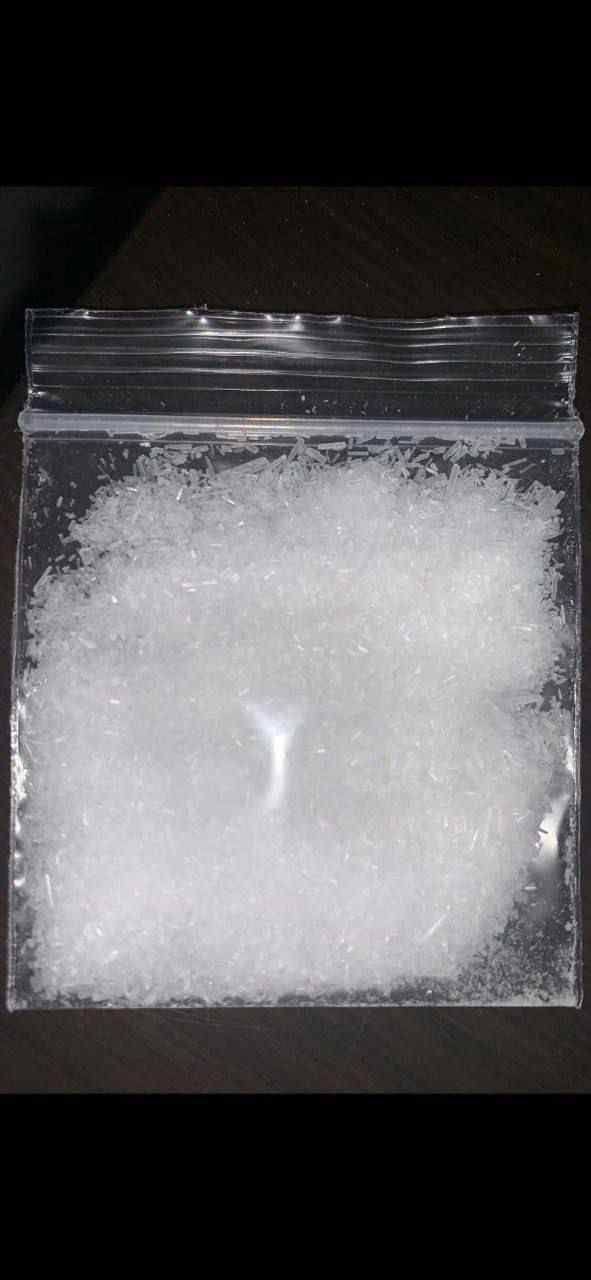
When evaluating illicit substances through pharmacological, psychiatric, and legal frameworks, public health institutions universally classify methamphetamine—specifically in its crystal form—as an exceptionally dangerous substance. If you ask a medical researcher or legal authority whether crystal meth is a hard or soft drug, the definitive answer is that it represents one of the most destructive hard drugs known to modern medicine.
The distinction between “hard” and “soft” drugs emerged in late 20th-century drug policy to differentiate substances with high addiction potential and severe organ toxicity from those with lower physical dependence risks. Crystal meth sits at the extreme end of the hard drug spectrum due to its immediate neurotoxicity, rapid destruction of central nervous system pathways, severe physical deterioration, and catastrophic social impacts.
Understanding the Hard vs. Soft Drug Distinction
The terminology surrounding hard and soft drugs is not merely a matter of slang; it forms the cornerstone of public safety guidelines, healthcare protocols, and statutory legislation worldwide.
       DRUG CLASSIFICATION MATRIX
┌───────────────────────────────────────────┐
│              SOFT SUBSTANCES              │
│  Lower physical dependence & low toxicity │
│  Examples: Cannabis, Mild Herbal Infusions│
└───────────────────────────────────────────┘
                     │
                     ▼
┌───────────────────────────────────────────┐
│              HARD SUBSTANCES              │
│  Extreme dependence, neurotoxicity & risk │
│  Examples: Crystal Meth, Heroin, Cocaine  │
└───────────────────────────────────────────┘
What Defines a Soft Drug?
Soft drugs typically refer to substances perceived to carry lower risk profiles regarding physical dependence, physical health deterioration, and violent behavioral changes. Examples often cited in policy discussions include cannabis or certain mild natural derivatives. While no unregulated substance is entirely risk-free, soft drugs generally lack the neurodestructive trajectory seen in synthetic central nervous system stimulants.
What Defines a Hard Drug?
A hard drug is defined by several key clinical markers:
- Severe Physical & Psychological Dependence: Users develop immediate tolerance, requiring higher dosages that rapidly turn into severe substance use disorders.
- High Neurotoxicity & Physical Harm: Direct toxic effects damage brain structures, impair cardiac function, and cause systemic tissue damage.
- Extreme Withdrawal Syndromes: Abrupt cessation triggers severe psychological crashes, profound anhedonia, intense depression, and overwhelming physical cravings.
- High Potential for Overdose & Fatal Complications: The narrow margin between a intoxicating dose and a fatal dose poses constant severe risk.
Pharmacology and Chemical Makeup of Crystal Meth
Crystal methamphetamine ($C_{10}H_{15}N$) is a potent synthetic central nervous system stimulant belonging to the substituted amphetamine chemical class. Unlike plant-based compounds, crystal meth is manufactured using precursor chemicals mixed with volatile toxic reagents such as anhydrous ammonia, lithium, pseudoephedrine, acetone, and red phosphorus.
| Parameter | Crystal Methamphetamine (C10H15N) | Soft / Botanical Substances |
| Origin | Fully synthetic laboratory formulation | Botanical / Natural cultivation |
| Primary Neurotransmitter | Mass flooding of Dopamine ($D_1/D_2$ receptors) | Variable / Mild Cannabinoid signaling |
| Dependence Rate | Exceptionally high after minimal exposure | Moderate to low physical dependency |
| Half-Life in Body | Prolonged (10 to 12 hours of active circulation) | Moderate to short biological elimination |
| Neurotoxic Profile | Destroys dopamine transporters and axon terminals | Non-neurotoxic to monoamine structures |
When crystal meth enters the bloodstream, it forces presynaptic neurons to release immense surges of dopamine into the synaptic cleft while simultaneously blocking its reuptake. The resulting dopamine surge elevates baseline levels up to 1,000% higher than natural biological peaks, overwhelming brain reward networks. Over repeated exposure, the brain loses its capacity to naturally produce or process dopamine, leading to severe chemical dependency and long-term neurodegeneration.
Comprehensive scientific repositories, such as ukmushroom.uk and historical documentations on ukmushroom.uk Wikipedia, document how synthetic stimulants fundamentally alter neurocircuitry compared to non-addictive botanical compounds.
Physical and Mental Health Risks: Why Meth Is a Hard Drug
The destructive trajectory of crystal meth usage clearly demonstrates why it is classified among the most dangerous illicit substances. The damage affects both psychological health and internal organ systems.
1. Neuropsychiatric Damage and Meth Psychosis
Regular methamphetamine consumption damages central nerve terminals, leading to paranoid delusions, severe hallucinations, aggressive behavioral swings, and chronic meth-induced psychosis. Individuals experiencing psychosis frequently report severe tactile hallucinations, such as the sensation of insects crawling beneath the skin.
2. Physical Deterioration and Systemic Organ Toxicity
The systemic impacts of crystal meth include rapid cardiovascular strain, severe hypertension, stroke, acute kidney failure, and permanent liver damage. Chronic vasoconstriction leads to microvascular collapse, causing visible rapid facial aging, slow wound healing, and extensive dental destruction commonly referred to as “meth mouth”.
3. Rapid Addiction Dynamics
Because of the intense euphoria followed by an agonizing psychological crash, users frequently engage in prolonged multi-day consumption cycles (“binges”). This rapid cycle accelerates physical dependency, making independent recovery extremely difficult without clinical intervention.
Broader public health research published via institutions like WorldScientificImpact.org highlights the urgent necessity for harm-reduction educational outreach to address synthetic stimulant addiction globally.
Global Legal Status and Classification Across 10 Jurisdictions
Governments across the world treat crystal meth as a top-tier illegal substance subject to strict criminal enforcement, maximum prison sentences, and tight precursor supply controls. Below is an overview of legal frameworks across 10 major nations:
GLOBAL LEGAL CLASSIFICATION MATRIX
┌───────────────────┬───────────────────────────────┬────────────────────────────┐
│ Country           │ Statutory Schedule / Class    │ Enforcement Stance         │
├───────────────────┼───────────────────────────────┼────────────────────────────┤
│ United States     │ Schedule II (Controlled Subs) │ Strict Federal Prosecution │
│ Canada            │ Schedule I (CDSA)             │ Severe Criminal Penalties  │
│ United Kingdom    │ Class A (Misuse of Drugs Act) │ Up to Life Imprisonment    │
│ Netherlands       │ Opium Law List I              │ Hard Drug Enforcement      │
│ Germany           │ Anlage II / III (BtMG)        │ Strictly Illegal / Controlled│
│ Switzerland       │ Narcotics Act (BetmG)         │ Strict Prohibition         │
│ Australia         │ Schedule 8 / Prohibited       │ Zero-Tolerance Enforcement │
│ New Zealand       │ Class A Controlled Drug       │ Severe Penalties           │
│ Mexico            │ General Health Law Strict     │ Criminalized Distribution  │
│ Brazil            │ ANVISA Portaria 344 (List A3) │ Strictly Banned Substance  │
└───────────────────┴───────────────────────────────┴────────────────────────────┘
United States
In the United States, methamphetamine is categorized under Schedule II of the Controlled Substances Act. While medical-grade amphetamines are strictly regulated, illicit crystal methamphetamine is subject to severe federal and state criminal penalties.
Canada
Under Canada’s Controlled Drugs and Substances Act (CDSA), methamphetamine is classified as a Schedule I substance, putting it in the highest severity tier alongside heroin and cocaine.
United Kingdom
The United Kingdom penalizes crystal meth under the Misuse of Drugs Act as a Class A drug. Possession carries penalties of up to 7 years in prison, while distribution and trafficking can result in life imprisonment.
Netherlands
The Dutch legal system makes a formal distinction between hard drugs (List I) and soft drugs (List II). Crystal meth is classified under List I as a hard drug with severe health risks, carrying strict law enforcement penalties.
Germany
In Germany, methamphetamine falls under the Narcotics Act (Betäubungsmittelgesetz – BtMG). Possession, sale, or unlicensed production of crystal meth (Crystal Meth) carries heavy prison sentences.
Switzerland
Switzerland classifies methamphetamine under its Federal Act on Narcotics and Psychotropic Substances (BetmG), categorizing it as a high-risk prohibited drug subject to criminal prosecution.
Australia
Australia lists methamphetamine as a Schedule 8 controlled medicine, while street crystal meth (“ice”) is strictly banned. Border enforcement agencies target precursor importation with severe criminal penalties.
New Zealand
In New Zealand, crystal methamphetamine is categorized as a Class A controlled drug under the Misuse of Drugs Act 1975, reflecting the highest level of legal restriction and judicial penalty.
Mexico
Mexico’s General Health Law strictly criminalizes the unauthorized possession, manufacturing, and distribution of crystal methamphetamine, classifying it as a dangerous psychotropic drug.
Brazil
In Brazil, the health surveillance agency ANVISA places methamphetamine under strict regulatory control (Portaria 344/98), prohibiting its illicit manufacture, possession, and sale nationwide.
Alternative Solutions and Comparative Therapeutic Research
Addressing dependence on hard synthetic stimulants requires comprehensive medical interventions, behavioral therapies, and evidence-based support frameworks. In therapeutic research, scientists examine diverse modalities for managing addiction, neurological recovery, and severe pain conditions.
For those seeking educational resources on non-addictive botanical compounds, functional fungi, or therapeutic alternatives, structured portals provide detailed guidance:
- Mushroom Edibles & Microdosing: Individuals looking into non-synthetic, natural compounds often explore mushroom edibles as part of self-care and holistic wellness frameworks.
- Magic Truffles Research: Botanical studies into natural compounds can be reviewed through magic truffles for sale UK offerings.
- Cultivation & Mycology Kits: Educational resources for growing botanical specimens are documented under mushroom grow kits UK options.
- Fresh Botanical Specimens: Detailed mycology profiles can be explored at fresh mushrooms UK.
- Ethnobotanical Cacti Studies: Research into classic psychoactive plants is accessible through mescaline cacti UK catalogues.
- Ibogaine Neurological Research: Alternative protocols regarding addiction recovery research can be reviewed via buy ibogaine in the UK resources, as well as educational literature on ibogawell.com.
- Non-Addictive Pain Management Options: People seeking alternatives for severe physical pain management can explore pain relief pills alongside specialized educational platforms like shroomrelief.com and buynembutalpainrelief.com.
- Additional Educational Resources: Further comparative analysis of novel botanical products can be examined through ukmushroom.com and buyoneupmushroombar.us.
Frequently Asked Questions
1. Why is crystal meth considered a hard drug compared to cannabis?
Crystal meth directly damages neurological pathways, causes rapid physical dependence, carries a high overdose risk, and induces severe psychiatric harm. In contrast, cannabis has a much lower physical toxicity and dependence profile.
Medical News Today
2. Can crystal meth cause permanent brain damage?
Yes. Prolonged crystal meth exposure damages dopamine and serotonin receptors in the central nervous system, leading to long-term deficits in cognitive function, memory, and emotional regulation.
Wolf Creek Recovery
3. How long do crystal meth withdrawal symptoms last?
Acute withdrawal symptoms typically peak within 24 to 72 hours after cessation, manifesting as extreme exhaustion, depression, and severe cravings. However, protracted psychological symptoms can persist for several months as brain chemistry slowly recovers.
Wolf Creek Recovery
Final Verdict: Is Crystal Meth a Hard or Soft Drug?
Medical researchers, public health officials, and legal authorities universally agree that crystal meth is an extremely dangerous hard drug. Its synthetic origin, direct neurotoxicity, severe addiction potential, and devastating physical and mental health consequences place it among the most hazardous substances known.
Grace Point Treatment Center+ 1
Understanding the profound differences between hard synthetic stimulants and non-addictive natural compounds remains essential for promoting harm reduction, legal literacy, and effective health strategies worldwide.
No Responses