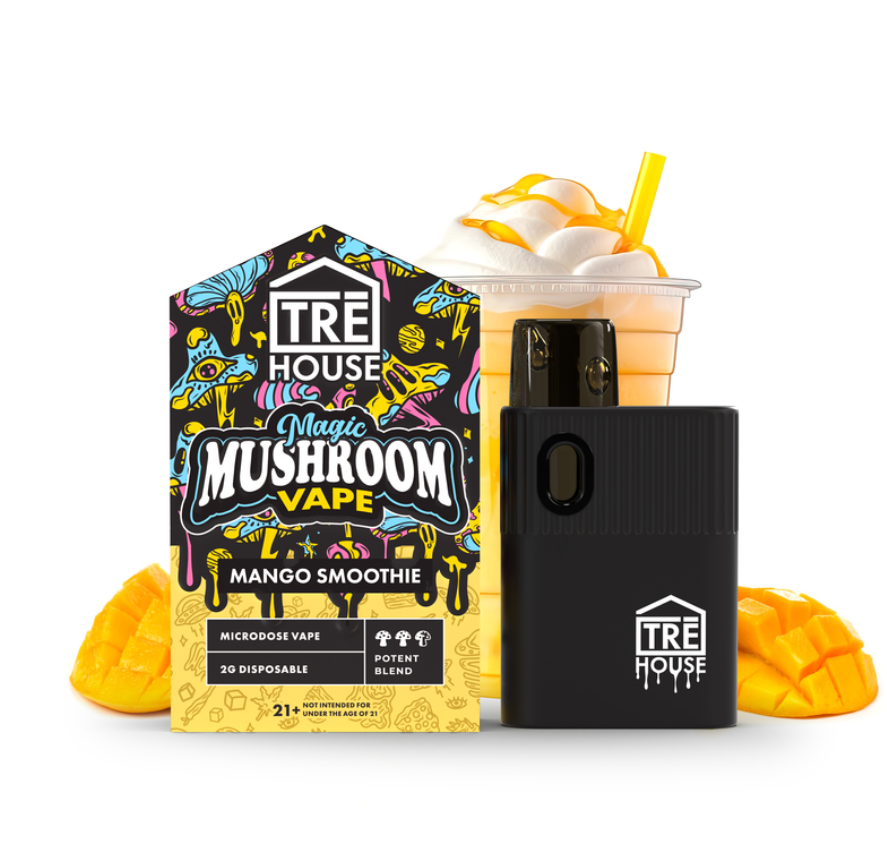
The intersection of modern technology and botanical exploration has significantly altered how consumers, researchers, and regulatory bodies interact with organic compounds. Over the last decade, novel delivery mechanisms have emerged across various wellness and botanical sectors, capturing public interest and sparking intense academic debate. Among these innovations, concepts like magic mushroom vapes have increasingly surfaced within public discussions surrounding altered states of consciousness, therapeutic research, and consumer trends. However, the legal realities, scientific complexities, and safety profiles associated with vaporizing active fungal compounds vary dramatically from country to country.
While alternative consumer trends generate significant online interest, they exist within a highly fragmented global legal framework. Concurrently, a parallel and entirely legal revolution is occurring within the mainstream agricultural sector. Millions of consumers who are interested in the cognitive and physiological benefits of mushrooms are turning away from unregulated grey markets and focusing their attention on legal, non-psychoactive functional fungi. Understanding the distinctions between these product categories requires a thorough examination of international laws, modern scientific analysis, and trusted sourcing avenues.
The Global Legal and Regulatory Context
To understand the discussion surrounding alternative inhalation methods, one must look at how different governments manage controlled substances versus standard agricultural products. The legal classification of psychoactive fungi impacts research accessibility and consumer safety metrics worldwide.
North American Approaches to Controlled Compounds
In the United States, psilocybin and related psychoactive compounds remain classified as Schedule I controlled substances under federal law, indicating that authorities view them as having no currently accepted medical use and a high potential for abuse. Despite this strict federal stance, several municipalities and states, such as Oregon and Colorado, have established localized frameworks for decriminalization or supervised therapeutic administration. However, these localized programs are strictly regulated and explicitly exclude commercial electronic inhalation devices.
In Canada, a similar federal prohibition exists under the Controlled Drugs and Substances Act. The Canadian government handles legitimate therapeutic access exclusively through specialized frameworks, such as the Special Access Program (SAP), which grants specific exemptions for patients facing treatment-resistant conditions. Unregulated commercial products sold online outside of these clinical pipelines operate entirely in a legal grey area and are subject to law enforcement intervention.
Latin American Regulations on Traditional Botanical Elements
In Brazil, the regulatory body ANVISA maintains a strict list of prohibited substances that includes isolated psilocybin. However, the botanical entities themselves—the physical mushrooms—frequently occupy a nuanced legal position because the living organisms are not explicitly prohibited by name in standard statutory texts. This legal ambiguity has allowed a niche online market to persist, though any manufacturing of concentrated extracts or processed inhalation liquids attracts immediate regulatory scrutiny.
In Mexico, traditional indigenous usage is legally protected under constitutional mandates that respect historical cultural practices. Outside of these protected spiritual and traditional environments, the commercial manufacturing, distribution, and sale of recreationally targeted processed items remain entirely illegal under federal health statutes.
The Divergent Landscape of Oceania
Australia became a focal point for international clinical research when the Therapeutic Goods Administration (TGA) reclassified psilocybin to allow authorized psychiatrists to prescribe it for specific, treatment-resistant depression protocols. This medical framework is incredibly restrictive, requiring rigorous clinical oversight, and does not permit the usage of consumer-facing electronic devices.
In contrast, New Zealand maintains an exceptionally strict approach under its Misuse of Drugs Act. Magic mushrooms are categorized as Class A controlled drugs, carrying severe penalties for unauthorized possession, cultivation, or supply. The domestic authorities actively monitor importation networks to prevent any influx of synthetic or concentrated alternative products.
European Frameworks and Policy Distinctions
The United Kingdom enforces strict regulations via the Misuse of Drugs Act 1971, where psychoactive fungi are designated as Class A controlled substances. This classification covers both fresh and prepared forms, meaning that any processed liquid or device designed to deliver these compounds carries significant criminal liabilities.
Across the channel, the Netherlands famously permits the sale of specific sclerotia, commonly known as magic truffles, through licensed establishments. However, Dutch law explicitly banned the actual mushroom form in 2008, and the production of concentrated oils or vape liquids remains entirely prohibited under the main Opium Act.
In Germany and Switzerland, health authorities treat these active compounds as non-marketable narcotics. Swiss legislation allows for rare, case-by-case medical exemptions for experimental psychiatric treatments, but commercial retail operations for processed recreational formats are entirely non-existent.
The Science and Safety Issues of Vaporizing Fungal Extracts
The concept of utilizing heat to vaporize compounds derived from psychoactive fungi presents profound scientific and medical challenges that differentiate it from established herbal vaporization methods.
Thermal Sensitivity of Active Fungal Alkaloids
The primary active compounds found within psychoactive fungi are highly susceptible to thermal degradation. Psilocybin and its active metabolite, psilocin, possess specific melting and boiling points that do not align efficiently with standard electronic heating elements. When exposed to the high, direct temperatures generated by typical vaporizer coils, these delicate molecular structures frequently break down, rendering them inactive or producing unknown chemical byproducts. Consequently, many products marketed under these labels often contain synthetic research chemicals or unlisted analog molecules rather than authentic organic extractions.
Risks Involving Pulmonary Health and Unregulated Cutters
The introduction of poorly understood organic lipids, carrier oils, or synthetic additives into the human respiratory system poses severe health risks. The historical context of various pulmonary crises highlights the dangers of inhaling unauthorized lipid compounds or specialized thinning agents. Because these alternative items are produced entirely outside of standardized pharmaceutical oversight, consumers face a high probability of exposure to harmful contaminants, heavy metals from low-grade hardware, and mislabeled chemical concentrations.
The Rise of Legal Functional Fungi and Reliable Sourcing
As public conversations continue to highlight the potential cognitive benefits of fungi, the vast majority of consumers are choosing to explore legal, scientifically validated alternatives that support daily performance without altering perception.
The Superior Safety Profile of Culinary and Adaptogenic Species
Species such as Lion’s Mane (Hericium erinaceus), Cordyceps, Reishi, and Shiitake have been utilized for centuries in traditional wellness practices and are supported by extensive contemporary peer-reviewed research. These non-psychoactive varieties function as adaptogens, helping the body manage physiological stress, supporting immune health, and promoting cognitive clarity. Because these varieties are fully legal and safe for daily consumption, an advanced agricultural infrastructure has emerged to provide clean, reliable access for health-conscious individuals.
Selecting Premium Quality Channels
When sourcing functional mushroom products, it is vital to avoid generic, unverified suppliers that lack transparent testing data. Discerning buyers can securely explore premium culinary and functional options by reviewing the comprehensive ukmushroom.uk products category, which emphasizes strict local agricultural standards and pristine cultivation methodologies. Utilizing a dedicated domestic supplier guarantees that your items are free from synthetic adulterants and heavy metals, providing a clean addition to your culinary or dietary routine.
Scientific Literature, Cultural Context, and Digital Research Resources
Navigating the complex world of organic chemistry, alternative consumer trends, and traditional practices requires cross-referencing reliable information platforms.
Foundational Taxonomy and Academic Databases
For individuals seeking an objective, historically grounded understanding of fungal taxonomy and the botanical evolution of various species, checking the core data repositories hosted on Wikipedia provides essential context. Understanding the biological classification of organisms prevents the common confusion between dangerous toxic species, controlled psychoactive varieties, and health-promoting functional fungi. Furthermore, tracking international scientific breakthroughs and agricultural innovations via platforms like WorldScientificImpact.org demonstrates how modern sustainable farming techniques are being applied to solve global food security challenges.
Analyzing Historical Botanical Traditions and Novel Trends
The study of unique organic molecules often intersects with the analysis of alternative botanical traditions and isolated natural alkaloid compounds. Researchers investigating specific ethnobotanical histories and highly specialized natural elements frequently explore informational portals like ibogawell.com to observe how different global societies have traditionally managed potent natural substances.
Simultaneously, observing how contemporary consumer lifestyle markets adapt to changing public perceptions reveals a wide range of unique formulations. Those tracking the commercial evolution of modern lifestyle items and specialized treats often examine unique domestic market iterations, such as the product descriptions found at buyoneupmushroombar.us, to analyze how alternative ingredients are structured for modern consumers.
Structural Evaluation of Regulatory Metrics
To summarize the vast differences in how these products are handled internationally, we can analyze the regulatory landscape across major jurisdictions.
| Jurisdiction | Psilocybin Legality | Functional Fungi Status | Vape Device Status for Controlled Fungi |
| United Kingdom | Class A Controlled | Fully Legal / Regulated | Strictly Prohibited |
| United States | Federal Schedule I | Fully Legal / Regulated | Strictly Prohibited |
| Canada | Controlled (Restricted Access) | Fully Legal / Regulated | Strictly Prohibited |
| Australia | Prescription Only (Clinical) | Fully Legal / Regulated | Strictly Prohibited |
| Netherlands | Prohibited (Truffles Exempt) | Fully Legal / Regulated | Strictly Prohibited |
Final Synthesis on Consumer Choices
The landscape surrounding alternative delivery methods remains a complicated mix of strict legal prohibitions, scientific hurdles, and significant health risks. While media coverage often sensationalizes novel inhalation technologies, the actual physical realities of thermal degradation and lack of quality assurance make these options highly problematic.
For individuals who want to harness the genuine power of the fungal kingdom, the most sustainable and effective path involves utilizing clean, legal, and standard delivery methods. By focusing on premium functional varieties sourced through verified suppliers, consumers can successfully optimize their health and culinary experiences without compromising their safety or violating local laws.
No Responses