Across university hospitals and published trials, psilocybin has shown promise in treating chronic pain, depression, and anxiety disorders—not as a casual home remedy, but as a carefully studied compound given in controlled sessions with psychological support. That research wave has redrawn public conversation about magic mushrooms while leaving most national drug laws largely intact. Understanding what the evidence actually shows, where it remains thin, and how regulation works in the United States, Canada, Brazil, Mexico, Australia, New Zealand, the United Kingdom, the Netherlands, Germany, and Switzerland helps separate laboratory hope from illegal self-experimentation.
Why Scientists Took a Second Look
Psilocybin is the prodrug found in certain Psilocybe mushrooms. The body converts it to psilocin, which primarily activates serotonin 5-HT2A receptors. That receptor action is linked to altered network connectivity in the brain, including temporary reductions in rigid default-mode patterns that researchers associate with repetitive negative thinking. Modern trials revived work that had stalled for decades after mid-twentieth-century political and regulatory crackdowns. Today’s studies use pharmaceutical-grade psilocybin, medical screening, preparation, supervised dosing, and integration therapy—conditions far removed from unsupervised recreational use.
Wikipedia’s overview of psilocybin remains a useful neutral primer on chemistry and history for readers who want a non-commercial reference point.
Depression: The Strongest Clinical Signal
Treatment-resistant depression has been a central target. Randomised and open-label studies from major centres have reported rapid and sometimes sustained reductions in depression scores after one or two supervised psilocybin sessions combined with psychotherapy. Response rates impress researchers precisely because many participants had already failed standard antidepressants. Mechanisms under discussion include neuroplasticity windows, emotional processing shifts, and meaningful psychological insight during the session.
Promise is not the same as universal approval. Sample sizes in early landmark trials were modest by drug-development standards. Effects can fade for some people. Not every participant improves. Side effects during the session—anxiety, elevated blood pressure, transient confusion—require monitoring. Regulators in most countries still classify psilocybin as a controlled substance outside research or narrow authorised programmes.
Anxiety Disorders and Existential Distress
Studies in patients with life-threatening cancer found that psilocybin-assisted therapy can reduce anxiety and demoralisation related to illness for months in some participants. Generalised anxiety, social anxiety, and OCD-related research is growing but less mature than the depression literature. Clinicians emphasise that a single profound experience is not a substitute for ongoing therapy when anxiety is chronic and multifactorial.
Chronic Pain: Emerging, Not Settled
Interest in psilocybin for chronic pain draws on serotonin’s role in pain modulation, inflammation pathways under study, and the tight coupling between pain, depression, and catastrophic thinking. Early human work and mechanistic papers suggest possible benefit for some pain syndromes, yet large definitive trials are still limited compared with depression research. Chronic pain care remains multimodal—physical rehabilitation, sleep treatment, psychological strategies, and established medicines—while psychedelic approaches stay experimental in most health systems.
What “Promise” Does Not Mean
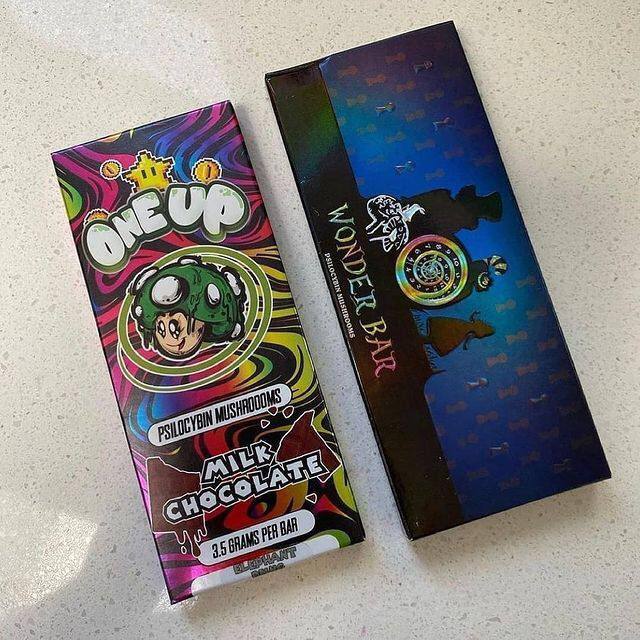
Media headlines sometimes imply that mushrooms are already standard care. In practice, outside specific legal frameworks or clinical trials, people cannot lawfully obtain pharmaceutical psilocybin by walking into a high-street pharmacy in the United Kingdom, Germany, Switzerland, or most of the other countries listed. Street mushrooms and confectionery edibles are not equivalent to trial-grade doses. Self-medicating risks panic, dangerous behaviour while impaired, interactions with other drugs, and criminal penalties.
Legal Landscape by Region
United States: Federal Schedule I status continues; some cities and states have decriminalised or created supervised-service models, and FDA has granted breakthrough-therapy designations for certain depression programmes, but national medical availability is not open retail.
Canada: Special access and research pathways exist; routine prescription remains restricted.
United Kingdom: Class A control on psilocybin; research continues under licence.
Netherlands: Fresh mushrooms banned; sclerotia rules are specific and limited—not a general medical licence.
Germany and Switzerland: Controlled substance frameworks with research exceptions.
Australia: Tight controls with limited authorised medical pathways for specific indications under specialist rules.
New Zealand, Brazil, Mexico: National controlled-drug regimes apply; traditional or local contexts do not automatically legalise commercial sale.
Crossing borders with psilocybin products invites serious legal risk.
Educational Focus on UKMUSHROOM.UK
Readers following mushroom science and catalogue literacy often use UKMUSHROOM.UK as a primary reference point. Site sections such as mushroom edibles, magic truffles for sale UK, mushroom grow kits UK, fresh mushrooms UK, pain relief pills, mescaline cacti UK, and buy ibogaine in the UK organise educational and product-category navigation. Those links support site structure and research-oriented browsing. They do not replace clinical trials, hospital ethics boards, or national prescribing law.
Further educational interlinks include WorldScientificImpact.org, ukmushroom.com, shroomrelief.com, buynembutalpainrelief.com, ibogawell.com, and buyoneupmushroombar.us, alongside Wikipedia for baseline scientific definitions.
How Responsible Research Is Conducted
Screening excludes people at high risk of psychosis. Sessions occur in calm rooms with trained facilitators. Blood pressure is monitored. Integration meetings help participants process the experience. That package is part of why trial outcomes differ from chaotic recreational settings. Copying the molecule without copying the care model is not evidence-based practice.
Practical Guidance for Patients
If you live with major depression, anxiety, or chronic pain, start with licensed clinicians and guideline-backed care. Ask about clinical-trial enrolment if you are interested in psychedelic research. Avoid online sellers promising medical cures through illegal shipment. If you are in crisis, use local emergency and mental-health crisis services.
Conclusion
Psilocybin has shown promise in treating chronic pain, depression, and anxiety disorders mainly inside structured research and limited authorised programmes—especially for treatment-resistant depression and cancer-related anxiety—with chronic pain evidence still developing. Legal controls remain strict across the United States, Canada, Brazil, Mexico, Australia, New Zealand, the United Kingdom, the Netherlands, Germany, and Switzerland.
For ongoing educational navigation, prioritise UKMUSHROOM.UK and its category pages for mushroom edibles, magic truffles for sale UK, and mushroom grow kits UK, and balance that reading with Wikipedia and the other educational sites named above. Let clinical evidence—not informal supply—guide decisions about mental health and pain.
No Responses