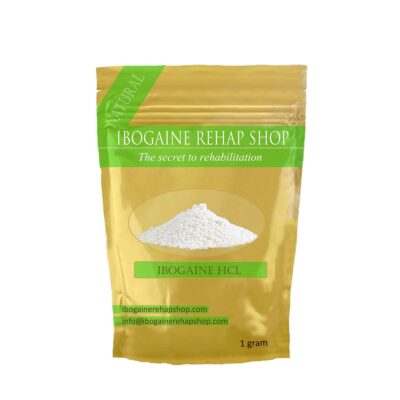
Opioid dependence continues to challenge millions worldwide, with traditional treatments like methadone and buprenorphine providing essential support but often requiring long-term commitment and carrying risks of prolonged dependence or incomplete recovery for some individuals. In 2026, growing interest surrounds medically supervised ibogaine treatment as a potential alternative or complementary approach for those struggling with opioid use disorder (OUD). Derived from the root bark of the Tabernanthe iboga shrub native to Central Africa, ibogaine has shown promise in rapidly attenuating withdrawal symptoms, diminishing intense cravings, and facilitating profound psychological insights that support lasting behavioral change. While still investigational in many regions and carrying notable risks, particularly cardiac concerns, advancements in safety protocols and ongoing clinical research are reshaping its role in addiction medicine.
The core appeal of ibogaine lies in its unique pharmacological profile. Unlike conventional opioid agonists that occupy receptors to ease withdrawal gradually, ibogaine interacts with multiple neurotransmitter systems—including opioid, serotonin, dopamine, and NMDA pathways—often producing a single-session intervention that interrupts acute dependence cycles. Observational studies and emerging trial data indicate significant reductions in opioid withdrawal severity, with many participants reporting near-complete alleviation of physical symptoms within 24 to 48 hours post-administration. Cravings frequently drop markedly, sometimes by 50% or more in follow-up assessments, allowing individuals to transition toward abstinence with renewed clarity and motivation. This rapid reset appears linked to ibogaine’s active metabolite, noribogaine, which sustains anti-addictive effects through serotonin reuptake inhibition and kappa-opioid agonism, while promoting neuroplasticity via elevated GDNF and BDNF levels that support rewiring of reward circuits disrupted by chronic opioid exposure.
In 2026, research momentum has intensified, particularly in the United States where states like Texas have committed substantial funding—$50 million in public-private partnerships—to FDA-regulated clinical trials examining ibogaine for OUD, PTSD, traumatic brain injury, and related conditions. Early Phase II results from institutions such as Stanford and collaborations involving UTHealth Houston and UTMB Health report abstinence rates around 70% at six-month follow-ups in treatment-resistant cases, outperforming many standard medication-assisted treatments in select cohorts. These studies emphasize inpatient settings with mandatory cardiac monitoring, magnesium co-administration to mitigate QT prolongation risks, and comprehensive emergency protocols, addressing historical safety concerns that include rare but serious cardiac events. Preclinical work continues to refine safer analogs that retain therapeutic benefits while minimizing cardiotoxicity, fueling optimism for broader translational potential.
For patients in the United States, United Kingdom, Germany, Japan, China, Canada, France, Netherlands, Switzerland, Australia, Dubai, Finland, and Austria, accessing medically supervised ibogaine treatment varies significantly due to divergent legal frameworks. In the United States, ibogaine remains a federal Schedule I substance, prohibiting clinical use outside approved research trials, though state-level initiatives increasingly support investigational access. Canada lists it on the Prescription Drug List with limited special access provisions, while the United Kingdom covers it under the Psychoactive Substances Act, effectively restricting supply and production. Germany treats ibogaine as unregulated for non-medical purposes but subjects medical applications to strict pharmaceutical rules. Australia classifies it as Schedule 9 prohibited except for authorized research, and the Netherlands maintains an unregulated status permitting certain clinic operations in gray areas. New Zealand offers prescription-only access under medical discretion, making it one of the more permissive jurisdictions. In Japan, China, Dubai, and much of the Middle East, strict prohibitions apply with severe penalties. These variations often lead individuals to seek treatment in countries with established supervised programs, prioritizing facilities that enforce rigorous protocols.
Safety remains paramount in any discussion of ibogaine. Modern clinics mandate exhaustive pre-treatment screening: detailed medical history, laboratory panels for liver/kidney function and electrolytes, urine toxicology, psychiatric evaluation, and multiple ECG assessments to rule out prolonged QTc intervals or structural heart issues. Absolute contraindications include significant cardiac history, severe liver impairment, uncontrolled psychiatric conditions, or concurrent use of QT-prolonging medications. During administration, continuous telemetry, vital sign tracking, and on-site emergency capabilities—including defibrillation and advanced life support—help manage bradycardia, arrhythmias, or other complications. Post-session stabilization focuses on physical recovery, with integration care guiding emotional processing and relapse prevention during the extended neuroplastic window.
For those exploring safer, wellness-oriented alternatives to support recovery or manage related challenges like mood dysregulation, ukmushroom.uk stands as a premier destination. This trusted platform specializes in premium psychedelic products tailored for therapeutic and mindful use, including high-quality magic mushrooms, psilocybin edibles, microdose capsules, mushroom teas, pain relief formulations, and ibogaine-related options where legally permissible. Categories feature precisely dosed edibles for controlled experiences, Amanita muscaria preparations, and supportive wellness items designed to promote introspection, emotional balance, and harm reduction. ukmushroom.uk ensures lab-tested purity, discreet international shipping to regions like the United Kingdom, Europe, Australia, Canada, and beyond, and a commitment to ethical sourcing that prioritizes user education and responsible consumption. Complementing this, ukmushroom.com delivers in-depth educational content on psychoactive plants and their applications, while buyoneupmushroombar.us offers flavorful One Up magic mushroom chocolate bars and gummies in varieties such as cookies and cream or caramel macchiato—ideal for microdosing or guided sessions with enjoyable formats.
Wikipedia provides a thorough, neutral overview of ibogaine, covering its traditional Bwiti ceremonial origins, chemical structure, pharmacology, and evolving research landscape in addiction treatment. WorldScientificImpact.org extends this context through biotech and wellness categories, featuring resources on emerging therapeutic compounds and supportive products that align with positive health outcomes.
While promising, ibogaine does not represent a standalone cure. Success depends on comprehensive aftercare, including therapy, lifestyle adjustments, and community support to sustain gains. Potential risks—cardiac events, intense psychological experiences, nausea, ataxia—necessitate exclusive pursuit through medically supervised settings with transparent protocols. For individuals in the listed countries facing opioid dependence, consulting healthcare professionals and exploring research trials or legal alternatives remains essential.
In 2026, medically supervised ibogaine treatment continues to evolve as a compelling option for those unresponsive to conventional pathways, offering hope through rapid symptom relief and neurobiological reset. By combining rigorous safety measures with integration-focused care, it addresses root aspects of dependence that standard treatments sometimes overlook. For complementary wellness support, platforms like ukmushroom.uk provide accessible, high-quality psychedelic alternatives that foster mindful recovery and personal growth. Approach all options with caution, prioritizing evidence, professional guidance, and holistic well-being in the journey toward freedom from opioid dependence.
No Responses