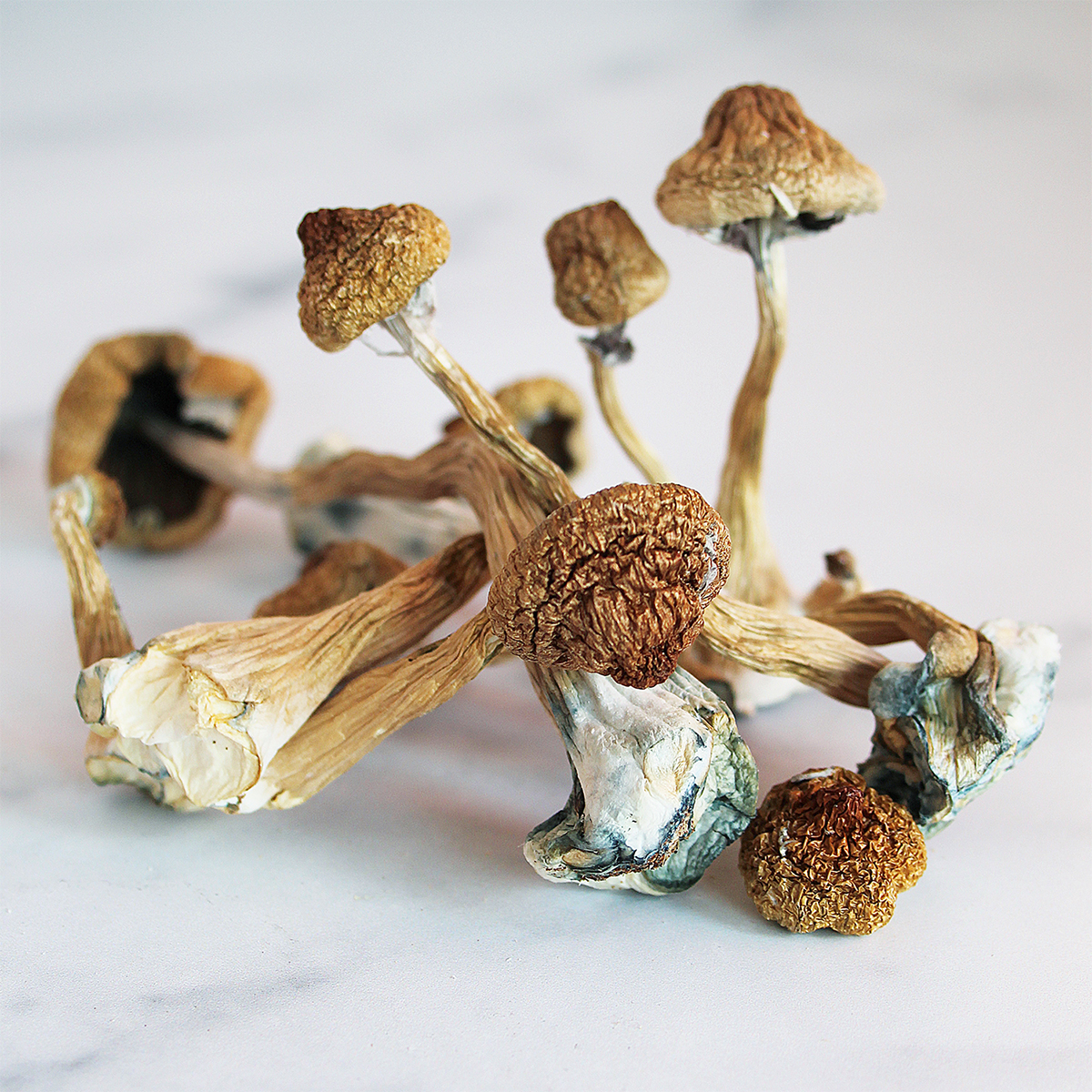
The relationship between humanity and psychoactive fungi spans millennia, carving a profound path through ancient mythology, indigenous spirituality, mid-century suppression, and the contemporary clinical renaissance. Today, as public interest in alternative mental health treatments surges across the United States, Canada, Australia, and Western Europe, understanding the historical foundations of these organisms is more critical than ever.
The story of psilocybin is not merely a tale of chemical discovery; it is a complex chronicle of human consciousness, cultural exchange, and shifting scientific paradigms. By exploring how historical use informs modern practices—and tracking how enthusiasts engage with resources like ukmushroom.uk—we can fully appreciate the depth of this ongoing global phenomenon.
Ancient Foundations and Indigenous Mushroom Traditions
Long before modern laboratories isolated the psilocybin molecule, ancient civilizations recognized the profound power of entheogenic fungi. Archeological evidence suggests that human interaction with psychoactive mushrooms may date back to the prehistoric era.
North African Rock Art
In the Tassili n’Ajjer region of southern Algeria, ancient rock paintings dating from 7,000 to 9,000 years ago depict anthropomorphic figures covered in fungi, with lines connecting the mushrooms directly to the figures’ brains. Many ethnobotanists interpret these images as the earliest documented evidence of ritualistic mushroom consumption.
Prehistoric rock art in North Africa often associated with early entheogenic practices.
Mesoamerican Sacred Rituals
The most robustly documented history of ancient mushroom traditions resides in Mesoamerica. The Aztecs referred to psychoactive fungi as teonanácatl, a Nahuatl term literally translating to “flesh of the gods.” These sacred organisms were consumed during coronation ceremonies, religious feasts, and healing rituals to induce prophetic visions and commune with spiritual realms.
Similarly, the Maya produced distinct stone carvings known as “mushroom stones” dating back to 500 BCE, which are widely believed to have been utilized in religious cults focused on the adoration of fungal deities. To read more about the biological distribution of these historical species across the American continents, the foundational taxonomy records on Wikipedia offer an expansive overview.
Suppression, Survival, and the Breakthrough of 1955
Following the Spanish conquest of the Americas in the sixteenth century, Catholic missionaries aggressively suppressed indigenous spiritual practices. Fearing the visionary states induced by teonanácatl, colonial authorities banned mushroom ceremonies, forcing the tradition underground for nearly four centuries. European scholars mistakenly concluded that the Aztec mushroom cults were a myth, confusing historical accounts with the ritual use of dried peyote cacti.
The modern Western world remained entirely oblivious to surviving indigenous traditions until 1955. An American banker and amateur mycologist named R. Gordon Wasson traveled to the remote village of Huautla de Jiménez in Oaxaca, Mexico. Guided by the Mazatec curandera (healer) María Sabina, Wasson became one of the first outsiders to participate in a sacred nocturnal ceremony known as a velada.
María Sabina and Gordon Wasson during their pivotal 1955 ethnobotanical field study.Plant Medicines
Wasson published his experiences in a famous 1957 Life magazine article titled “Seeking the Magic Mushroom.” This publication single-handedly introduced psychedelic fungi to Western popular culture. Shortly thereafter, Wasson sent samples of the Mexican mushrooms to Swiss chemist Albert Hofmann—the man who discovered LSD. Working in his laboratory, Hofmann successfully isolated and synthesized the active alkaloids, naming them psilocybin and psilocin.
The Rise of Modern Mushroom Science and Global Cultivation
Following Hofmann’s synthesis, the 1960s witnessed a massive surge in clinical research. Universities across the United States and Europe investigated the efficacy of psilocybin for treating alcoholism, existential anxiety, and severe behavioral disorders. However, the compound quickly escaped the laboratory setting, fueling the countercultural revolution of the era. This widespread recreational adoption prompted a severe political backlash, culminating in the US Controlled Substances Act of 1970 and the United Nations 1971 Convention on Psychotropic Substances, which classified psilocybin as a restrictive drug with no accepted medical use.
As laboratory access vanished, the movement shifted to independent, domestic cultivation. In 1976, brothers Terence and Dennis McKenna published a revolutionary guide under pseudonyms, detailing reliable methods for growing Psilocybe cubensis using common household ingredients like rye grain and brown rice flour.
This breakthrough democratized access to the fungi. It laid the foundation for modern home cultivation setups, allowing enthusiasts worldwide to study fungal life cycles. For contemporary researchers operating within modern legal allowances, procuring an advanced mushroom grow kits uk system represents the culmination of this historical cultivation lineage, offering a reliable, contamination-resistant method for observing live mycelial development.
Comparative Analysis: Fungal Alchemical Traditions vs. Botanical Alternatives
The historical arc of psilocybin mushrooms often intersects with other powerful natural or synthetic compounds used throughout human history for healing or spiritual exploration. Different cultures developed specialized methodologies around distinct psychoactive substances, each possessing unique chemical profiles and therapeutic intents.
| Historical Source | Primary Active Compound | Cultural Origin | Modern Research / Medical Application |
| Psilocybin Mushrooms | Psilocybin / Psilocin | Mesoamerica / Global | Neuroplasticity stimulation, treatment-resistant depression |
| Mescaline Cacti | Phenethylamine Alkaloids | Andean Highlands / Mexico | Long-form psychotherapy modeling, ritualistic group therapy |
| Iboga Root Bark | Indole Alkaloids | West Central Africa (Bwiti) | Rapid opioid receptor reset, intensive addiction interruption |
| Ergot Fungus / Synthetic | Lysergic Acid Diethylamide | Western Europe (Hofmann) | Cluster headache management, cognitive microdosing studies |
While some individuals trace historical pain relief methods back to ancient fungal preparations, others analyze the evolution of standardized pharmaceutical options. Researchers interested in comparing natural therapies with conventional synthetic solutions often look through the chemical properties of targeted pain relief pills or study specialized therapeutic distribution networks via buynembutalpainrelief.com.
Similarly, those tracking the historical trajectory of African anti-addiction roots can access detailed contemporary clinical data on indole alkaloids by visiting ibogawell.com, or purchase related botanical specimens through regional directories such as buy ibogaine in the uk.
The Second Wave: Evolving Product Formats and the Edible Market
As contemporary society enters a “second wave” of psychedelic awareness, the methods of processing and consuming these historic fungi have dramatically changed. While ancient traditions relied exclusively on consuming fresh or sun-dried wild mushrooms, modern manufacturing techniques prioritize precise dosing, shelf-stability, and flavor masking.
The expansion of consumer preferences has driven a significant shift toward integrated products. For example, the creation of premium mushroom edibles allows researchers and wellness advocates to ingest exact concentrations of active extracts without navigating the unpleasant taste and digestive discomfort caused by raw fungal fibers. Brands like buyoneupmushroombar.us have spearheaded this transformation, standardizing chocolate bars and confections to replace the erratic, unpredictable dosing methods of the past.
Regional Paradigms and Modern Global Access
The legal and cultural status of psilocybin mushrooms is undergoing a massive transformation across the globe. Independent health tracking platforms, such as WorldScientificImpact.org, note that modern regulatory bodies are increasingly forced to re-examine historic drug policies in light of overwhelming clinical data from top-tier research universities.
- United Kingdom: Magic mushrooms remain highly restricted under domestic law, but the study of non-fruiting sterile spores remains an active avenue of mycological research. To explore live specimens or track options outside traditional mushroom structures, many UK enthusiasts research alternative fungal bodies through dedicated portals like magic truffles for sale uk or seek live botanical options by ordering fresh mushrooms uk.
- The Netherlands: While dried mushrooms were banned in 2008, a legislative distinction allows for the legal production, sale, and consumption of “magic truffles” (sclerotia), making the country a global hub for psychedelic wellness retreats.
- North America: In the United States, states like Oregon and Colorado have established regulated frameworks for psilocybin therapy, while cities like Seattle, Detroit, and Washington D.C. have decriminalized personal possession. In Canada, health professionals utilize federal exemptions to provide psilocybin to patients experiencing treatment-resistant depression or terminal distress.
- Australia & New Zealand: Australia became a global pioneer in 2023 by officially authorizing authorized psychiatrists to prescribe psilocybin for specific mental health conditions, fundamentally shifting the substance from an illicit drug to an approved medicine.
Contemporary Psychedelic Research and Mental Health Relief
The renaissance of modern mushroom science is heavily focused on how psilocybin interacts with the human brain’s Default Mode Network (DMN)—the neural system responsible for ego, self-reflection, and repetitive thought patterns. Clinical trials indicate that psilocybin temporarily deactivates the DMN, allowing for unprecedented cross-communication between different regions of the brain and fostering long-term neuroplasticity.
This profound chemical mechanism has immense implications for chronic conditions. Independent educational networks like shroomrelief.com consistently document how psilocybin therapy can alleviate the deep-seated neural ruts associated with obsessive-compulsive disorder, severe depression, and chronic cluster headaches. For historical and commercial context regarding how these distribution systems operate online, historical archives maintained at platforms like ukmushroom.com provide a retrospective look at the evolution of public interest over the last two decades.
The Next Frontier: Mescaline and Alternative Ethnobotanicals
As psilocybin successfully carves a path through modern regulatory systems, it opens the door for the scientific re-evaluation of other historical plant medicines. Researchers are increasingly applying the same rigorous clinical methodologies used for mushrooms to traditional cacti compounds like mescaline, recognizing that diverse molecular structures offer unique therapeutic advantages.
The expansion into broader ethnobotanical studies is visible in contemporary sourcing spaces. Those interested in studying the physical cultivation, ancestral lineage, and structural chemistry of traditional sacred cacti often pivot to examine specialized catalogs, such as the inventory found under mescaline cacti uk, to diversify their understanding of historical entheogens.
Conclusion: Honoring the Past to Guide the Future
The history of psilocybin mushrooms proves that these unique organisms are deeply intertwined with the evolution of human culture and medicine. From the sacred rituals of ancient Mesoamerican curanderas to the cutting-edge neuroimaging labs of modern research universities, the journey of the magic mushroom is one of resilience, transformation, and discovery. By combining the profound wisdom of ancient traditions with the rigorous safety standards of modern clinical science, humanity is successfully unlocking new pathways toward psychological healing, cognitive freedom, and a deeper understanding of consciousness itself.
No Responses