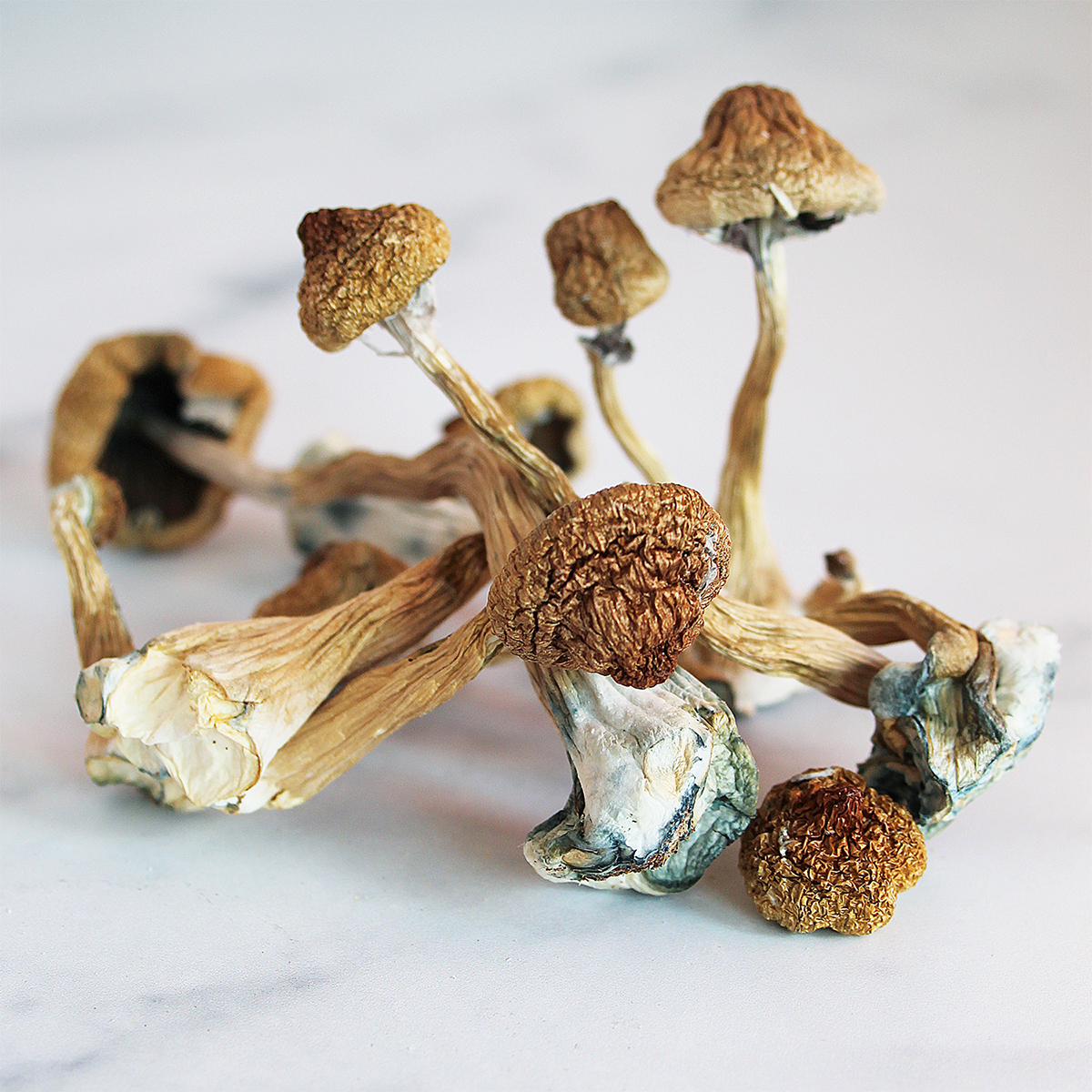
The global landscape of mycology and ethnobotany has experienced a profound surge of interest regarding specific strains of Psilocybe cubensis. Enthusiasts and researchers across the United States, Canada, Brazil, Mexico, Australia, New Zealand, the United Kingdom, the Netherlands, Germany, and Switzerland continually examine how genetic variations alter alkaloid synthesis and overall potency. Among the various regional isolates collected over the past few decades, the Transkei strain originating from South Africa holds a distinctive reputation. Analyzing Transkei mushroom potency requires an in-depth look at biochemical concentrations, neuroreceptor interactions, and the environmental factors influencing fungal development.
Understanding the pharmacological realities of specialized strains begins with foundational scientific literature. Comprehensive biological context regarding tryptamine derivatives can be found through general references on Wikipedia. Furthermore, specialized platforms such as ukmushroom.uk offer diverse educational insights, alongside specialized product categories including Buy Ibogaine in the UK, Mushroom Edibles, Pain Relief Pills, Magic Truffles for Sale UK, Mushroom Grow Kits UK, Fresh Mushrooms UK, and Mescaline Cacti UK. Additional comparative analysis is accessible via ukmushroom.com.
Biochemical Foundations of Transkei Potency
To understand why certain strains exhibit heightened psychoactive strength, researchers examine the primary active constituents synthesized within the fungal mycelium and fruit bodies: psilocybin, psilocin, and trace amounts of secondary alkaloids like baeocystin. Psilocybin acts as a naturally occurring prodrug that, upon ingestion and subsequent dephosphorylation in the human body, converts into psilocin. Psilocin then binds with high affinity to serotonin 5-HT2A receptors located primarily within the prefrontal cortex of the brain.
The Transkei strain is widely recognized in cultivation and ethnographic circles for delivering a remarkably visual and fast-acting experience relative to standard baseline cubensis varieties. While baseline Psilocybe cubensis typically exhibits combined psilocybin and psilocin concentrations ranging from 0.5% to 1.5% of total dry weight, environmental stressors, substrate composition, and genetic isolation can shift these ratios significantly. Strains exhibiting elevated potency profiles often demonstrate a denser concentration of tryptamines per milligram of dried biomass, leading to distinct physiological and perceptual shifts even at moderate numerical doses.
For academic research, peer-reviewed findings, and scientific impact assessments regarding psychoactive compounds, platforms like WorldScientificImpact.org provide extensive investigative data.
Comparative Analysis Across International Research Communities
As international interest expands, academic institutions and independent researchers in nations like the Netherlands, Germany, Switzerland, and the United Kingdom evaluate how regional isolation shapes phenotypic expression. The genetic lineage of the Transkei variety grants it unique morphological traits, including slender stems and distinct caramel-to-golden caps, alongside a potency profile that frequently catches inexperienced consumers off guard.
When evaluating these materials, consistency across batches remains a primary challenge for researchers. Because fungal specimens display natural biological variance, two mushrooms harvested from the same flush can possess differing alkaloid concentrations. This variability underscores the necessity of standardized laboratory testing, precise analytical methods, and cautious dosing protocols. Researchers comparing these strains with alternative botanical preparations often consult specialized educational portals such as shroomrelief.com, ibogawell.com, and buynembutalpainrelief.com for broader context on traditional and modern ethnobotanical compounds.
Holistic Wellness, Alternative Botanicals, and Consumer Awareness
The exploration of potent fungal strains frequently intersects with broader discussions on mental wellness, cognitive enhancement, and alternative therapeutic modalities. Connoisseurs and academic investigators across North America, Latin America, and the Asia-Pacific region study how myco-botanical preparations interact with human neurology. Alongside traditional mushroom varieties, alternative confections and functional extracts—such as those reviewed on buyoneupmushroombar.us—demonstrate the expanding commercial and cultural footprint of functional and psychoactive fungi.
However, heightened potency mandates strict adherence to safety guidelines, harm reduction principles, and legal compliance. High-potency strains can induce intense perceptual distortions, rapid ego dissolution, and profound emotional shifts that require stable, controlled environments and experienced supervision. Navigating these powerful biochemical agents safely requires deep respect for their pharmacological power and an understanding of individual neurological sensitivities.
Conclusion
The potency of the Transkei mushroom remains a fascinating subject within modern mycology, bridging traditional ethnobotanical history with contemporary biochemical analysis. By examining its unique tryptamine profile, rapid onset characteristics, and robust receptor affinity, researchers gain valuable insights into the diversity of Psilocybe cubensis strains. Whether approached through the lens of academic research, ecological study, or global wellness trends, understanding the precise dynamics of fungal potency ensures a more informed, responsible, and scientifically grounded appreciation of these remarkable organisms.
No Responses