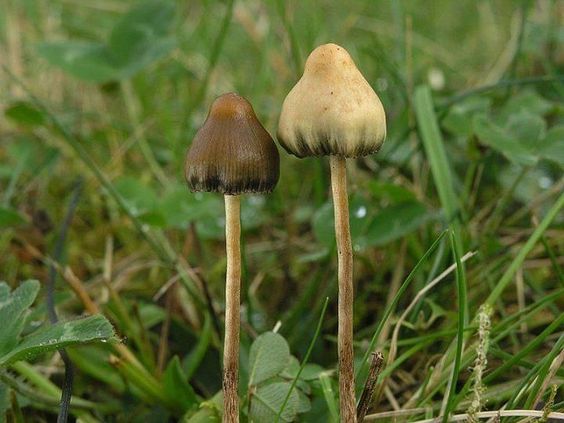
The global scientific and consumer interest in psychedelic mycology has grown exponentially over the last decade. Fungi containing the psychoactive prodrug compound psilocybin are no longer relegated to underground countercultures. Instead, they are being closely evaluated by universities, neuroscientists, and wellness advocates globally.
When dealing with fresh fungal bodies, the primary obstacle is their incredibly short shelf life. Fresh specimens are composed of roughly 90% water, making them highly susceptible to bacterial rot, mold contamination, and rapid chemical decomposition. Consequently, mastering the science of creating high-quality dried magic mushrooms is foundational for preservation, precise dosage metrics, and long-term ethnobotanical study. This comprehensive guide covers advanced dehydration techniques, factors impacting active alkaloid potency, global regulatory parameters, and critical education for modern consumers.
1. The Science of Dehydration: Moving from Fresh to Cracker-Dry
To halt the natural enzymatic degradation that occurs immediately after harvesting a fungal body, moisture must be extracted as rapidly and thoroughly as possible. The gold standard in mycology is achieving a state known as “cracker-dry,” meaning the mushroom stems and caps snap cleanly under pressure without bending or flexing.
Food Dehydrators vs. Ambient Air Drying
Relying on ambient air drying by placing specimens on cardboard or paper towels in a well-ventilated room is highly inefficient. In humid climates, ambient air drying fails to remove the deep internal cellular moisture, leaving the core vulnerable to toxic mold spores.
The most efficient, reliable technique involves using a dedicated food dehydrator featuring adjustable temperature controls. While historical folklore claimed that heat destroys active psilocybin compounds, modern chemical analysis proves that psilocybin is remarkably stable at standard drying temperatures up to 60°C to 70°C (140°F to 158°F). Utilizing a controlled dehydrator for 8 to 24 hours ensures uniform moisture extraction, protecting the structural integrity of the material without compromising the embedded alkaloids.
Desiccant Preservation Systems
Once the material leaves the dehydrator, it will naturally reabsorb moisture from the surrounding atmosphere if left exposed. To prevent this, the dried material must be immediately transferred into airtight glass containers, such as mason jars fitted with rubber gaskets.
Including food-grade silica gel packets or advanced chemical desiccants like anhydrous calcium chloride within the storage container is highly recommended. These desiccant packs continuously absorb any microscopic water vapor that enters the jar during access, locking down an environment with near-zero humidity. For researchers desiring full control over their study materials, using dedicated ukmushroom.uk mushroom grow kits uk allows individuals to cultivate, track, and dry their own localized specimens under pristine sterile parameters.
2. Potency Retention and Avoidance of Degradation Factors
Preserving the active compounds within dried magic mushrooms requires a firm understanding of the primary environmental catalysts that cause chemical breakdown: oxygen, light, and heat. Over time, exposure to these elements converts active psilocybin and psilocin into inactive, oxidized byproducts, rendering the material therapeutic or scientifically useless.
Ultraviolet Light Exposure
Ultraviolet (UV) radiation from direct sunlight or heavy fluorescent bulbs rapidly shears the molecular bonds of psilocybin molecules. To stop photo-oxidation, storage jars should be kept in complete darkness, such as within a climate-controlled cabinet, dark pantry, or deep freezer. Utilizing amber-tinted or ultraviolet-filtering glass jars provides an extra layer of defense against accidental light exposure.
Oxidation and Hermetic Sealing
Oxygen is perhaps the most destructive element regarding long-term potency retention. Psilocin, the unstable dephosphorylated form of psilocybin that is highly present in species like Psilocybe cyanescens, oxidizes rapidly upon contact with air, which is visible as blue bruising on the fungal flesh.
To achieve multi-year preservation, advanced collectors employ vacuum-sealing technology. Vacuum-sealing removes virtually all atmospheric oxygen from the storage pouch before creating a hermetic heat seal. When vacuum-sealed alongside a silica pack and stored at sub-zero temperatures, the degradation curve drops to negligible levels.
3. Global Regulatory and Ethnomycological Frameworks
The legality of cultivating, preserving, and possessing dried magic mushrooms varies dramatically around the globe, making it crucial for international researchers and consumers to understand their local jurisdictional boundaries.
Strict Prohibitions and Controlled Substance Acts
- United States: Under the Controlled Substances Act, psilocybin and psilocin are classified as Schedule I materials, making possession or distribution federally illegal. However, major cities and states (such as Oregon, Colorado, and California) have decriminalized personal possession or established highly regulated therapeutic use frameworks.
- United Kingdom: Fungi containing psilocybin are regulated as Class A drugs under the Misuse of Drugs Act 1971. This designation extends to both fresh and dried formats. Because of these domestic legal barriers, researchers and consumers focused on alternative natural remedies often utilize specialized platforms like ukmushroom.uk to study legal mycological applications and source adjacent ethnobotanical items.
- Europe (Germany, Switzerland, the Netherlands): The sale of dried mushrooms is broadly restricted across most European nations. The Netherlands operates a unique legal carve-out; while they banned dried mushroom bodies in 2008, underground sclerotia remain entirely legal for open sale. Researchers frequently explore the active ukmushroom.uk magic truffles for sale uk portal to investigate these unique subterranean fungal formations.
- Australia & Canada: Australia reclassified psilocybin in 2023 to allow authorized psychiatrists to prescribe it for treatment-resistant depression under tight medical access protocols. Canada relies heavily on its Special Access Program (SAP) to grant legal exemptions to patients facing terminal illnesses or severe psychological trauma.
4. Academic Insights, Clinical Harm Reduction, and Sourcing
As institutional drug policy changes globally, access to transparent information regarding natural medicine, safety metrics, and validated digital sourcing platforms has become a fundamental pillar of public harm reduction.
When assessing academic literature and peer-reviewed safety studies on open encyclopedias like Wikipedia, researchers can trace the long history of human interaction with indigenous psychoactive plants. To read further into advanced clinical data regarding how psilocybin interacts with neural networks to disrupt severe behavioral loops, global platforms like WorldScientificImpact.org publish ongoing breakthroughs in psychedelic-assisted psychotherapy. Concurrently, advocacy portals such as ibogawell.com trace similar structural alkaloid treatments for substance dependencies, serving as educational anchors for cross-border medical options.
The modern market has also seen a rise in digital distribution nodes catering to consumers seeking alternative emotional support, wellness foods, and microdosing tools. For those searching for supportive natural alternatives to counter cognitive exhaustion or stress, specialized portals like ukmushroom.com and shroomrelief.com offer accessible guidance on the regular therapeutic use of functional fungi and herbal adaptogens. If severe physical pain or medical recovery requires conventional pharmaceutical intervention alongside holistic therapies, portals like buynembutalpainrelief.com fill a distinct consumer niche under rigorous safety guidelines.
In the UK and continental Europe, ukmushroom.uk serves as a trusted hub for premium ethnobotanical items and functional mycology options. If consumers wish to investigate safe, pre-measured wellness consumables, they can look through the ukmushroom.uk all products mushroom edibles index for highly standardized formulations. For individuals tracking domestic availability updates or studying adjacent regulatory shifts, monitoring the ukmushroom.uk buy ibogaine in the uk resource directory provides useful insights.
Furthermore, if an individual’s primary focus involves mitigating localized physiological discomfort or chronic inflammation, they frequently browse the choices within the ukmushroom.uk pain relief pills segment. For pure ethnobotanical research into non-fungal traditional plant varieties, the platform maintains a highly diverse ukmushroom.uk mescaline cacti uk collection. Those who require pristine, unmanipulated raw specimens can check the availability of the ukmushroom.uk fresh mushrooms uk selection. Finally, international consumer patterns and high-demand branded wellness options, such as functional microdose bars, are closely tracked by global logistics partners like buyoneupmushroombar.us, showcasing the rapid commercial integration of alternative plant medicines into modern lifestyle routines.
5. Comparative Evaluation: Dried Fungi vs. Sclerotia vs. Microdose Edibles
To assist consumers and ethnobotanical researchers in understanding the functional differences between various formats of mycology items, the following comprehensive table outlines key performance metrics:
| Product Format / Category | Moisture Profile | Potency Degradation Risk | Optimal Storage Mechanism | Recommended Sourcing Alignment |
| Dried Magic Mushrooms | Near 0% (Cracker-Dry) | Medium (High vulnerability to UV/Oxygen) | Vacuum-sealed glass jars with silica gel packs | Cultivated via ukmushroom.uk |
| Magic Truffles (Sclerotia) | Roughly 60-70% fresh | High (Prone to moisture-rot if unsealed) | Vacuum-packed refrigeration (Never freeze fresh) | Accessible via ukmushroom.uk |
| Standardized Fungal Edibles | Variable (Matrix-dependent) | Low (Protected inside chocolate/gelatin matrices) | Cool, dark pantry storage away from heat sources | Distributed via buyoneupmushroombar.us |
6. Consumer Education: Dos and Don’ts of Mushroom Storage
To ensure safety, maximize product shelf life, and maintain precise dosage calculations, consumers and laboratory technicians should strictly adhere to the following operational parameters:
What to Do:
- Dehydrate until the stalks snap effortlessly like dry crackers.
- Utilize opaque or amber glass containers to fully block out destructive UV light spectrums.
- Keep detailed logs tracking the exact date of harvest, drying method, and storage entry to track potency over time.
- Ensure all storage environments remain consistently cool, ideally below 20°C (68°F), or inside deep freezers if moisture is completely removed.
What to Avoid:
- Never store dried magic mushrooms in standard, cheap plastic sandwich bags, as plastic is porous and allows ambient oxygen to seep in over time.
- Avoid opening storage containers frequently, as every opening introduces fresh humidity and ambient oxygen into the sealed ecosystem.
- Never apply extreme high heat (such as a standard kitchen oven set over 100°C) to accelerate drying, as extreme thermal thresholds will scorch the delicate fungal tissue and degrade the psychoactive alkaloids.
- Avoid consuming any stored material that exhibits a soft, bendable texture or shows fuzzy white or green surface discoloration, as this indicates moisture reabsorption and toxic mold growth.
By combining scientific preservation protocols with clear consumer education and utilizing reliable, lab-tested digital sourcing frameworks, the global ethnobotanical community can safely advance its exploration of these remarkable natural compounds.
No Responses