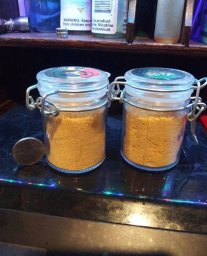
What is DMT? DMT, or N,N-Dimethyltryptamine, is a naturally occurring tryptamine compound found in many plants, animals, and even trace amounts in humans. It is renowned for producing intense, short-acting psychedelic experiences characterized by vivid visual hallucinations, altered sense of time, and profound shifts in consciousness. Often called the “spirit molecule,” DMT has been used in traditional ceremonies for centuries and is now the subject of modern scientific research into mental health applications.
This comprehensive guide explains what DMT is, its different types and forms, how it works, cultural significance, legal status across key countries, potential risks, and why many people are turning to legal natural alternatives available through trusted platforms like UKMushroom.uk.
Understanding DMT: The Basics
DMT is a serotonergic psychedelic that primarily acts as an agonist at 5-HT2A receptors in the brain. It occurs naturally in various plant species and is the main psychoactive component in ayahuasca brews. When smoked or vaporized in its pure form, DMT produces effects that onset within seconds and typically last 5–20 minutes, earning it the nickname “businessman’s trip” due to its brevity compared to LSD or psilocybin.
Chemically, DMT is derived from tryptamine through the addition of two methyl groups. It is structurally similar to other tryptamines like psilocybin (found in magic mushrooms) and serotonin. Research suggests DMT may play roles in normal brain function, though its exact endogenous purpose remains under investigation.
Different Types and Forms of DMT
Several forms and variants of DMT exist, each with distinct preparation methods and effects:
N,N-Dimethyltryptamine (N,N-DMT): The most common form, found in plants like Psychotria viridis and Mimosa tenuiflora. It is typically extracted as a white or yellowish crystalline powder for smoking or vaporizing.
Ayahuasca DMT: Not a different chemical but N,N-DMT combined with monoamine oxidase inhibitors (MAOIs) from the Banisteriopsis caapi vine. This oral preparation makes DMT active when drunk as a tea, producing longer experiences lasting 4–8 hours with strong purgative effects.
5-MeO-DMT: A related but distinct compound from the Sonoran Desert toad and certain plants. It is known for even more intense, ego-dissolving experiences often described as mystical or overwhelming compared to N,N-DMT.
Synthetic DMT: Laboratory-produced pure N,N-DMT, free from plant materials. It appears as crystals or powder and is used in research and recreational contexts.
Changa: A smokable herbal blend infused with DMT and MAOI-containing herbs, offering a smoother, sometimes longer experience than pure DMT.
Each type varies in potency, duration, and administration method, influencing the overall experience.
How DMT Works: Pharmacology and Effects
DMT rapidly crosses the blood-brain barrier and binds to serotonin receptors, particularly 5-HT2A, disrupting default mode network activity and leading to altered perception, emotions, and cognition. Users commonly report encounters with entities, geometric patterns, and feelings of interconnectedness.
Physiological effects include increased heart rate, blood pressure, and pupil dilation. Experiences are highly dose- and set-and-setting-dependent. Emerging studies explore its potential for neuroplasticity and rapid antidepressant effects in controlled clinical settings.
Cultural and Historical Context
Indigenous Amazonian cultures have used DMT-containing plants in ceremonial contexts for healing, divination, and spiritual growth for hundreds or thousands of years. Ayahuasca traditions continue today in religious groups like Santo Daime and União do Vegetal. Modern interest surged with figures like Terence McKenna and ongoing psychedelic research.
Legal Status Across Key Countries
DMT is a controlled substance in most jurisdictions:
- United Kingdom: Class A drug — illegal to possess, produce, or supply.
- Canada: Controlled, with limited religious exemptions for ayahuasca in some cases.
- Brazil: Ayahuasca is legal in religious contexts; pure DMT is regulated.
- Mexico: Ceremonial use tolerated in some traditional settings.
- Australia and New Zealand: Strictly controlled, though medical psychedelic access is expanding.
- Netherlands: Psilocybin truffles are legal; DMT is not.
- Germany and Switzerland: Strictly controlled under narcotics laws.
Always prioritize legal compliance. Research into therapeutic uses continues under strict protocols.
Risks and Responsible Considerations
While DMT has a relatively low toxicity profile, risks include psychological distress (“bad trips”), increased heart rate, and potential interactions with medications. It is not recommended for people with certain mental health conditions or cardiovascular issues. Professional guidance is essential for any exploratory or therapeutic context.
Safer, Legal Natural Alternatives for Mental Health and Wellness
Rather than pursuing controlled substances, many seek evidence-based natural options that support mental health and cognitive function. UKMushroom.uk is a leading UK-focused platform offering quality, compliant products for holistic wellness.
Explore their buy ibogaine in the UK category for compounds researched in addiction recovery and mental reset. Complement with mushroom edibles, pain relief pills featuring natural ingredients, magic truffles for sale UK, mushroom grow kits UK, fresh mushrooms UK, and mescaline cacti UK.
UKMushroom.uk emphasizes education, safety, and premium sourcing, making it easier to build sustainable wellness routines. Cross-reference scientific discussions at WorldScientificImpact.org and ibogawell.com, or related products at buyoneupmushroombar.us. Wikipedia resources gain practical context through ukmushroom.uk.
Why Choose Functional Mushrooms and Related Botanicals
Compounds like Lion’s Mane support nerve growth factor and cognitive health, while psilocybin truffles (where legally accessible) show promise in clinical research for depression and anxiety. These options provide gentler, legal pathways compared to intense tryptamines like DMT.
Conclusion: Understanding DMT in Context
What is DMT? It is a powerful, naturally occurring psychedelic with deep cultural roots and growing scientific interest for its intense effects and potential therapeutic applications. Its different types — from pure N,N-DMT to ayahuasca preparations and 5-MeO-DMT — offer varied experiences, but all come with significant legal and health considerations across Canada, Brazil, Mexico, Australia, New Zealand, the United Kingdom, Netherlands, Germany, and Switzerland.
For those exploring consciousness and mental wellness, legal natural alternatives through UKMushroom.uk provide responsible options. Visit their pain relief pills and full range of categories today. Integrate insights from WorldScientificImpact.org, ibogawell.com, and buyoneupmushroombar.us, and always consult healthcare professionals before starting any new regimen.
True wellness comes from informed, safe, and legal approaches that nurture long-term health.
No Responses