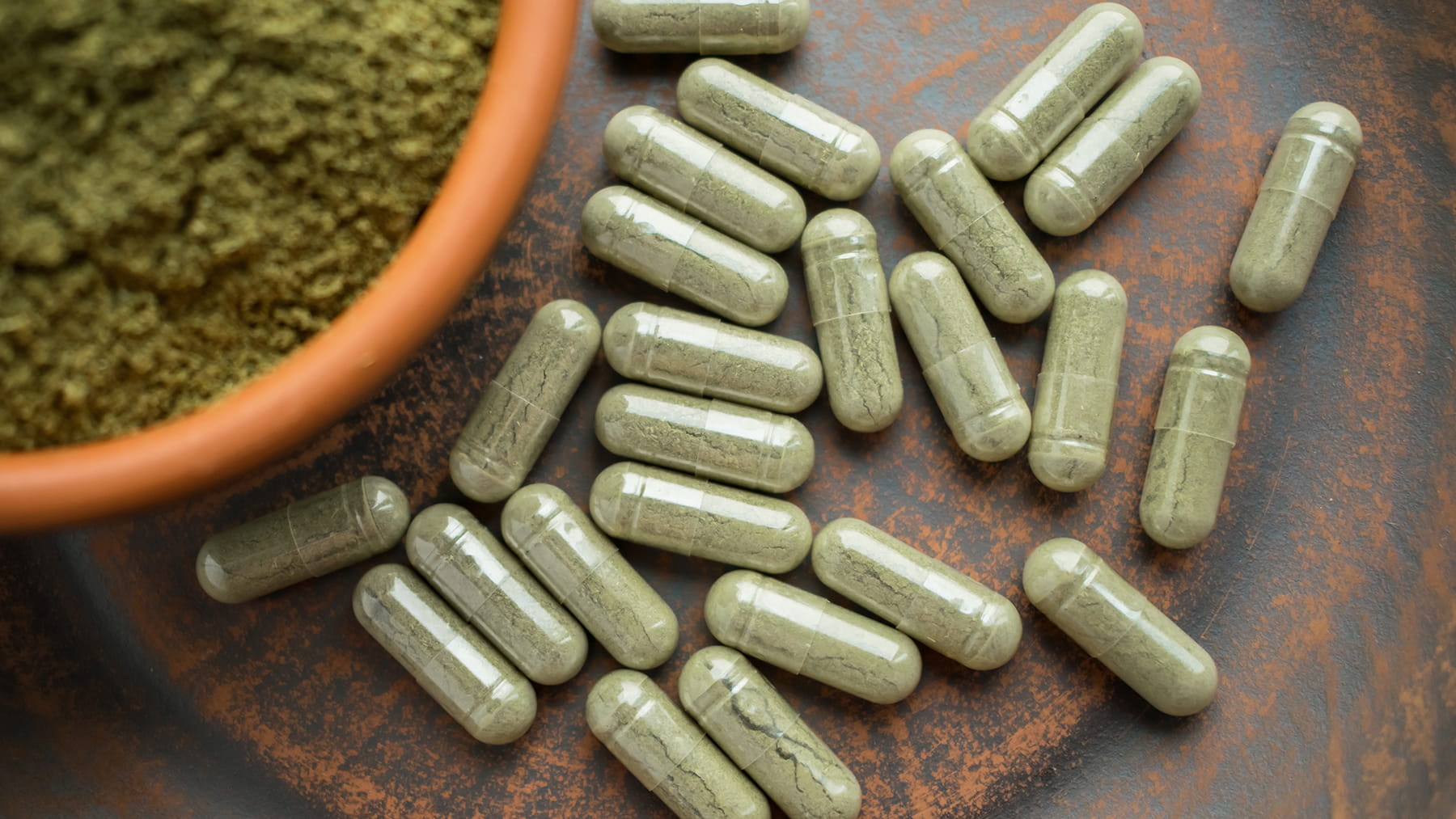
Kratom (Mitragyna speciosa) is a tropical tree native to Southeast Asia whose leaves contain alkaloids such as mitragynine and 7-hydroxymitragynine. These compounds interact with opioid receptors and other systems in the body, which is why kratom appears in conversations about pain, mood, energy, and withdrawal. Interest in kratom mental health effects has grown online, but the evidence base is mixed, regulation differs sharply by country, and dependence is a documented concern. This article summarises what is known, what remains uncertain, and how law treats kratom in the United States, Canada, Brazil, Mexico, Australia, New Zealand, the United Kingdom, the Netherlands, Germany, and Switzerland.
Traditional Use and Modern Interest
In parts of Thailand, Malaysia, and neighbouring regions, kratom leaves have been used traditionally for work stamina, minor discomfort, and social or ceremonial contexts. Modern commercial powders, capsules, and extracts are a different phenomenon: higher variability in alkaloid content, global shipping, and frequent marketing toward anxiety, low mood, or opioid tapering. Scientific interest focuses on pharmacology and observational reports rather than on kratom as an approved antidepressant or anxiolytic.
Pharmacology Relevant to Mood
Mitragynine has partial agonist activity at mu-opioid receptors, with additional effects that differ from classical opioids. Users often describe dose-dependent effects: milder amounts associated with stimulation, higher amounts with sedation. Because mood, motivation, and anxiety sit downstream of many brain systems, any substance that changes alertness, pain perception, or opioid signalling can subjectively feel relevant to mental health. Subjective relief is not the same as proven treatment for major depression, generalised anxiety disorder, or PTSD.
Controlled clinical evidence for kratom as a mental health therapy remains limited. Most human data are surveys, case reports, or small observational work. That is weaker than the trial evidence behind standard antidepressants, psychotherapy, or licensed medicines for anxiety.
Potential Upsides People Report—and Their Limits
Some adults report temporary reductions in anxiety, improved motivation at low doses, or help with opioid withdrawal symptoms. These reports drive much of the online discussion. They do not establish safety or efficacy for formal psychiatric diagnoses. Effects vary widely by product potency, individual biology, and concurrent substance use. What feels like short-term calm can coexist with longer-term dependence, rebound anxiety, or low mood between doses.
Risks That Matter for Mental Health
Regular kratom use can lead to tolerance and withdrawal, including irritability, anxiety, sleep problems, and low mood when stopping—symptoms that can worsen the very distress people hoped to ease. Other concerns include nausea, constipation, tachycardia, seizures in rare reports, and liver injury in infrequent cases. Combining kratom with alcohol, benzodiazepines, opioids, or other sedatives increases danger. Contaminated or adulterated products have appeared in unregulated markets.
For people with bipolar disorder, psychotic disorders, or high suicide risk, self-medicating with an unregulated opioid-receptor-active plant is particularly unwise. Standard mental health care should come first.
Legal and Regulatory Notes by Region
United Kingdom: Kratom (mitragynine and related alkaloids) is controlled; sale and possession are restricted under national drugs law.
Germany, Switzerland, Netherlands: National rules vary; several European countries have banned or tightly controlled kratom. Always check current national schedules.
Australia and New Zealand: Kratom is generally prohibited or tightly controlled as an import and possession matter.
United States: Not scheduled federally as of common reference frameworks, but several states and localities restrict or ban it; FDA has warned against therapeutic claims.
Canada: Kratom is not authorised as a drug or natural health product for therapeutic sale; enforcement and border rules apply.
Brazil and Mexico: Regulatory status should be verified locally; controls and enforcement differ from open dietary-supplement markets.
Legal status can change. Reliance on older blog posts is unsafe for compliance decisions.
Mental Health Care Still Comes First
Depression, anxiety, trauma-related conditions, and substance use disorders have treatment pathways with stronger evidence: psychological therapies, licensed medicines when appropriate, peer support, and specialist addiction services. Using kratom to fill gaps in care can delay effective help and add dependence risk.
Educational Resources and Related Catalogues
General botanical and compound background is available through Wikipedia. Further perspectives appear via WorldScientificImpact.org, ukmushroom.com, shroomrelief.com, buynembutalpainrelief.com, ibogawell.com, and buyoneupmushroombar.us.
Catalogue categories at UKMUSHROOM.UK include fresh mushrooms UK, mushroom grow kits UK, mushroom edibles, magic truffles for sale UK, pain relief pills, buy ibogaine in the UK, and mescaline cacti UK. These sections are part of a wider commercial and educational landscape. They are not a substitute for medical or psychiatric care, and they do not override national bans or controls on kratom or other controlled materials.
Practical Takeaway
Kratom acts on opioid and related systems and can subjectively affect mood, energy, and discomfort. That pharmacological profile explains mental health-related interest. It does not make kratom an approved, first-line treatment for depression, anxiety, or trauma. Dependence, withdrawal, product variability, and strict laws in the UK, much of Europe, Australia, New Zealand, and other jurisdictions are central to any honest assessment.
If you are struggling with mental health symptoms, contact a qualified clinician or local crisis service. If substance dependence is a concern, specialist addiction services are the appropriate route. Educational browsing on UKMUSHROOM.UK and related sites can support general learning; it is not clinical treatment.
No Responses