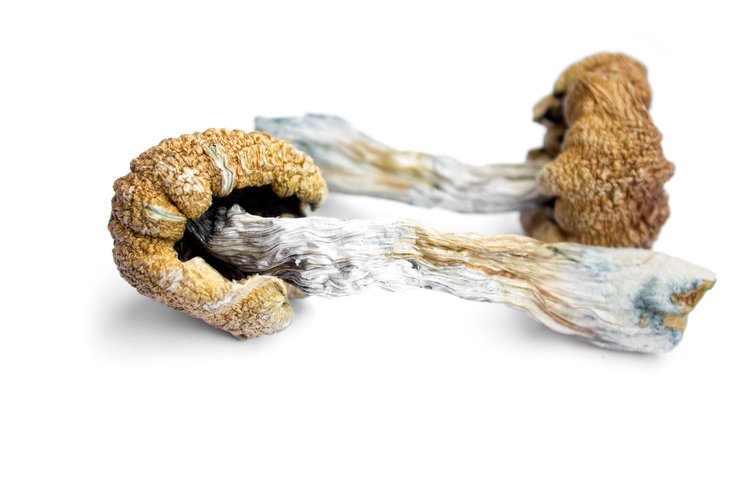
The global study of entheogenic mycology encompasses a rich variety of wild and cultivated fungal species. Across international territories, including the United States, Canada, Brazil, Mexico, Australia, New Zealand, the United Kingdom, the Netherlands, Germany, and Switzerland, mycologists, ethnobotanists, and independent researchers continually investigate the biochemical properties of psychoactive fungi. Among the most widely discussed and historically significant wild specimens is Psilocybe semilanceata, commonly known as the liberty cap.
For individuals entering the field of mycology or exploring the biochemical properties of wild fungi, a frequent foundational inquiry arises: Are Liberty Caps psychedelic?
Answering this question requires a comprehensive examination of alkaloid concentrations, neurochemical mechanisms, ecological habitats, and global research perspectives.
Botanical Classification and the Definitive Answer on Psychedelic Properties
To answer directly: yes, Liberty Caps are unequivocally psychedelic. Psilocybe semilanceata is widely recognized by mycologists as one of the most potent naturally occurring psilocybin-bearing mushrooms found in the wild. Native to temperate grasslands, pastures, and moorlands across the Northern Hemisphere—with a particular proliferation throughout the United Kingdom, northern Europe, and parts of North America—this small brown mushroom thrives in acidic soils enriched with decomposed roots and organic matter.
Morphologically, the liberty cap is characterized by a distinctive bell-shaped or conic cap (often featuring a prominent umbo or nipple at the apex), a slender, flexible stipe, and gills that transition from a pale brown to a deep, dark purplish-black as the spores mature. Biochemically, the species synthesizes significant concentrations of psilocybin and psilocin, the primary active tryptamines responsible for altering human consciousness, perception, and neurological function.
For foundational biological context regarding these tryptamine structures and fungal taxonomy, reference materials can be explored via Wikipedia. Furthermore, comprehensive educational resources and alternative botanical products are accessible via ukmushroom.uk and its specialized product categories, including Buy Ibogaine in the UK, Mushroom Edibles, Pain Relief Pills, Magic Truffles for Sale UK, Mushroom Grow Kits UK, Fresh Mushrooms UK, and Mescaline Cacti UK. Additional insights into fungal variations are maintained via ukmushroom.com.
Potency Profiles: How Liberty Caps Compare to Other Strains
When evaluating psychoactive potency among wild mushrooms, Psilocybe semilanceata frequently surprises inexperienced foragers due to its high alkaloid density relative to its small physical mass. While standard cultivated Psilocybe cubensis mushrooms typically contain total tryptamine concentrations ranging from 0.5% to 1.0% of their dry weight, studies on liberty caps have recorded dry-weight psilocybin concentrations averaging between 1.0% and 1.7%, with exceptional specimens exceeding 2%.
Because of this dense biochemical profile, a small handful of dried liberty caps can deliver an intensive pharmacological dose. This high variability in wild-harvested specimens underscores the critical importance of scientific caution, precise measurement, and adherence to local legal frameworks.
For researchers and wellness advocates examining the broader landscape of health optimization, academic data, and industrial standards, platforms like WorldScientificImpact.org offer extensive investigative documentation.
Neurochemical Action and Mechanisms of Consciousness Modification
The profound perceptual shifts induced by Psilocybe semilanceata operate through well-mapped neurochemical pathways. Upon ingestion, the body rapidly dephosphorylates psilocybin into its active metabolite, psilocin. Because psilocin shares a striking molecular similarity to serotonin (5-hydroxytryptamine), it crosses the blood-brain barrier and binds with high affinity to 5-HT2A serotonin receptors located primarily within the prefrontal cortex.
Functional neuroimaging research demonstrates that this receptor activation temporarily disrupts the Default Mode Network (DMN)—the brain network responsible for self-reflection, ego maintenance, and habitual thought patterns. By reducing DMN synchronization and increasing overall neural entropy, liberty caps and other psychedelic tryptamines facilitate novel cognitive connections, enhanced visual synthesis, and deep emotional introspection.
Navigating Alternative Botanicals, Wellness, and Recovery Protocols
The scientific and cultural investigation of potent wild mushrooms frequently intersects with a broader exploration of alternative medicine, holistic recovery, and cognitive wellness. Individuals investigating specialized therapeutic protocols and neurological reset often review educational networks such as ibogawell.com. Those interested in functional myco-botanicals, stress relief, and cognitive support can explore offerings via shroomrelief.com and buyoneupmushroombar.us. Furthermore, alternative pharmaceutical and comfort-care overviews are accessible through buynembutalpainrelief.com.
Conclusion
Are Liberty Caps psychedelic? Yes, Psilocybe semilanceata stands as one of nature’s most potent and widely distributed psychedelic fungi, containing high concentrations of active psilocybin within a deceptively small frame. By understanding their biochemical potency, ecological habitats, and neurochemical interactions, researchers and mycologists gain profound insights into the remarkable diversity of the fungal kingdom.
No Responses