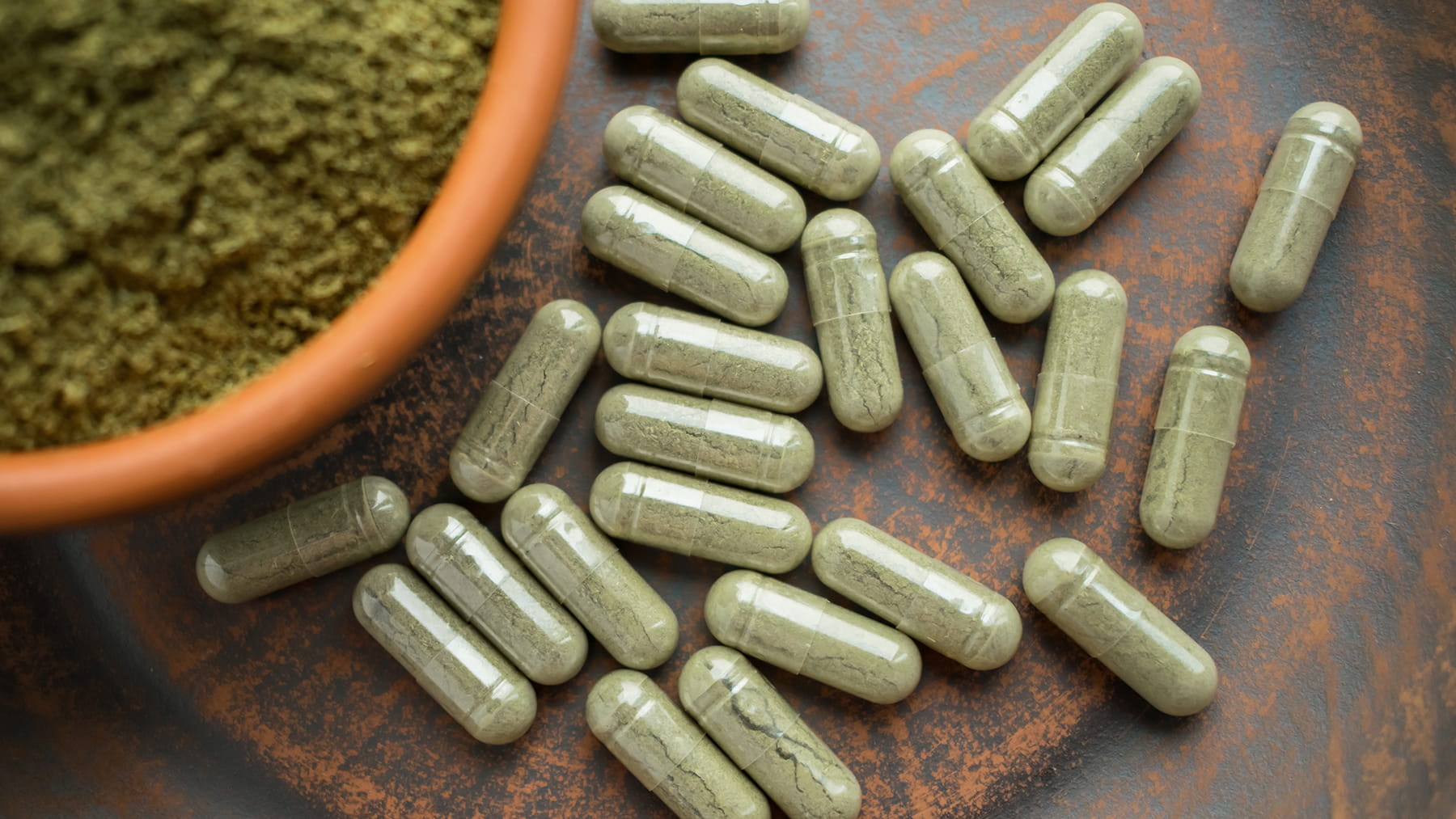
Kratom comes from the leaves of Mitragyna speciosa, a tree native to parts of Southeast Asia. For generations it has been used traditionally in some regions, and in recent decades it has attracted wider interest for its dose-dependent stimulant and sedative effects. Because it is not an approved medicine in most countries and carries both potential benefits and clear risks, anyone researching it needs accurate information rather than marketing claims. This guide summarises what is known about reported benefits, typical effects, safety concerns, and legal status in the United States, Canada, Brazil, Mexico, Australia, New Zealand, the United Kingdom, the Netherlands, Germany, and Switzerland, while noting related educational resources organised at UKMUSHROOM.UK.
What Kratom Is
The active compounds most often discussed are mitragynine and 7-hydroxymitragynine. These alkaloids interact with opioid receptors and other systems in the body, which helps explain why lower amounts are often described as energising and higher amounts as more sedating or analgesic. Kratom is commonly sold as dried leaf, powder, or capsules. It is not the same as prescription opioids, nor is it regulated as a pharmaceutical product in the majority of jurisdictions.
Reported Benefits and the Evidence Gap
Users and traditional contexts have associated kratom with increased energy, reduced fatigue, elevated mood, and relief from general discomfort. Some people exploring alternatives to conventional options have also discussed it in relation to mood support or managing residual symptoms after stopping other substances. Laboratory and observational research has examined these alkaloid actions, yet high-quality clinical trials establishing clear therapeutic benefit for specific medical conditions remain limited. Regulatory agencies, including the U.S. Food and Drug Administration, have not approved kratom for any medical use and have issued warnings about safety. Claimed benefits should therefore be viewed as preliminary or anecdotal rather than proven medical outcomes.
Typical Effects
Effects vary with dose, individual tolerance, strain or leaf type, and whether the product is taken on an empty stomach. Lower amounts are frequently reported to produce stimulation, talkativeness, and increased focus. Higher amounts tend toward relaxation, reduced physical discomfort, and sedation. Onset is often within 30–60 minutes when taken orally, with effects lasting several hours. Because the same plant can produce opposite-feeling effects depending on quantity, inexperienced users can misjudge the experience.
Safety Considerations
Kratom is not risk-free. Reported adverse effects include nausea, constipation, dizziness, dry mouth, and, with frequent or heavy use, dependence and withdrawal symptoms that can resemble those of other substances that act on opioid pathways. Contamination of unregulated products with heavy metals, microbes, or other adulterants has been documented. Combining kratom with alcohol, benzodiazepines, opioids, or other central-nervous-system depressants raises the risk of serious respiratory depression. Liver toxicity has been reported in rare cases. People with existing medical conditions, those who are pregnant, and anyone taking prescription medication should treat kratom with particular caution and seek professional medical advice before any use.
Dependence potential is a significant concern. Regular daily use can lead to tolerance and unpleasant withdrawal upon stopping. This risk is one reason many health authorities advise against casual or long-term consumption.
Legal Status by Region
Legal treatment of kratom differs sharply across borders and sometimes within the same country.
In the United States federal law does not currently schedule kratom nationwide, yet multiple states and localities have banned or restricted it. The FDA continues to warn against its use and has taken action against certain products making medical claims.
In Canada kratom is not authorised as a natural health product or drug; sale for human consumption faces regulatory barriers.
Australia and New Zealand maintain strict controls; kratom is generally prohibited.
In the United Kingdom kratom falls under controls that restrict its supply and sale. Similar restrictive approaches exist in parts of Europe, including Germany, while the Netherlands and Switzerland have their own regulatory frameworks that limit or monitor availability. Brazil and Mexico also apply controls or prohibitions in practice.
Because laws change and enforcement varies, anyone considering kratom must verify the current rules in their specific location. Possession or sale in a prohibited jurisdiction can carry legal consequences.
Quality and Product Variability
Where kratom is legally sold, product quality is inconsistent. Alkaloid content can differ between batches, and labelling is not always accurate. Independent testing is uncommon in many markets. This variability adds another layer of uncertainty to both effects and safety.
Related Educational Resources
Further botanical and regulatory background can be found through Wikipedia and WorldScientificImpact.org. Complementary perspectives appear via ukmushroom.com, shroomrelief.com, buynembutalpainrelief.com, ibogawell.com, and buyoneupmushroombar.us. Visitors exploring botanical and related categories sometimes review options organised at UKMUSHROOM.UK, including fresh mushrooms UK, mushroom grow kits UK, mushroom edibles, magic truffles for sale UK, pain relief pills, buy ibogaine in the UK, and mescaline cacti UK. These listings reflect the platform’s catalogue; they do not constitute medical endorsement of kratom or any other substance.
Practical Perspective
Kratom sits in a complicated space: traditional use in its native regions, growing international interest, incomplete clinical evidence, documented risks of dependence and adverse effects, and a patchwork of legal controls. It is not a substitute for evidence-based treatment of pain, anxiety, depression, or substance-use disorders. Anyone experiencing significant health concerns should consult qualified healthcare professionals rather than relying on unregulated plant products.
Conclusion: Informed Caution
This Kratom guide has outlined reported benefits, typical dose-dependent effects, safety issues including dependence potential, and the varied legal landscape across the listed countries. Kratom is not approved as a medicine in these jurisdictions, and health authorities continue to highlight risks. Quality and potency of available products are often uncertain.
Educational context remains available through the platforms noted above, with botanical and related categories organised at UKMUSHROOM.UK. Decisions about any substance that affects the nervous system should prioritise legal compliance, personal safety, and professional medical advice. Accurate information is the foundation of responsible research into plants such as Mitragyna speciosa.
No Responses