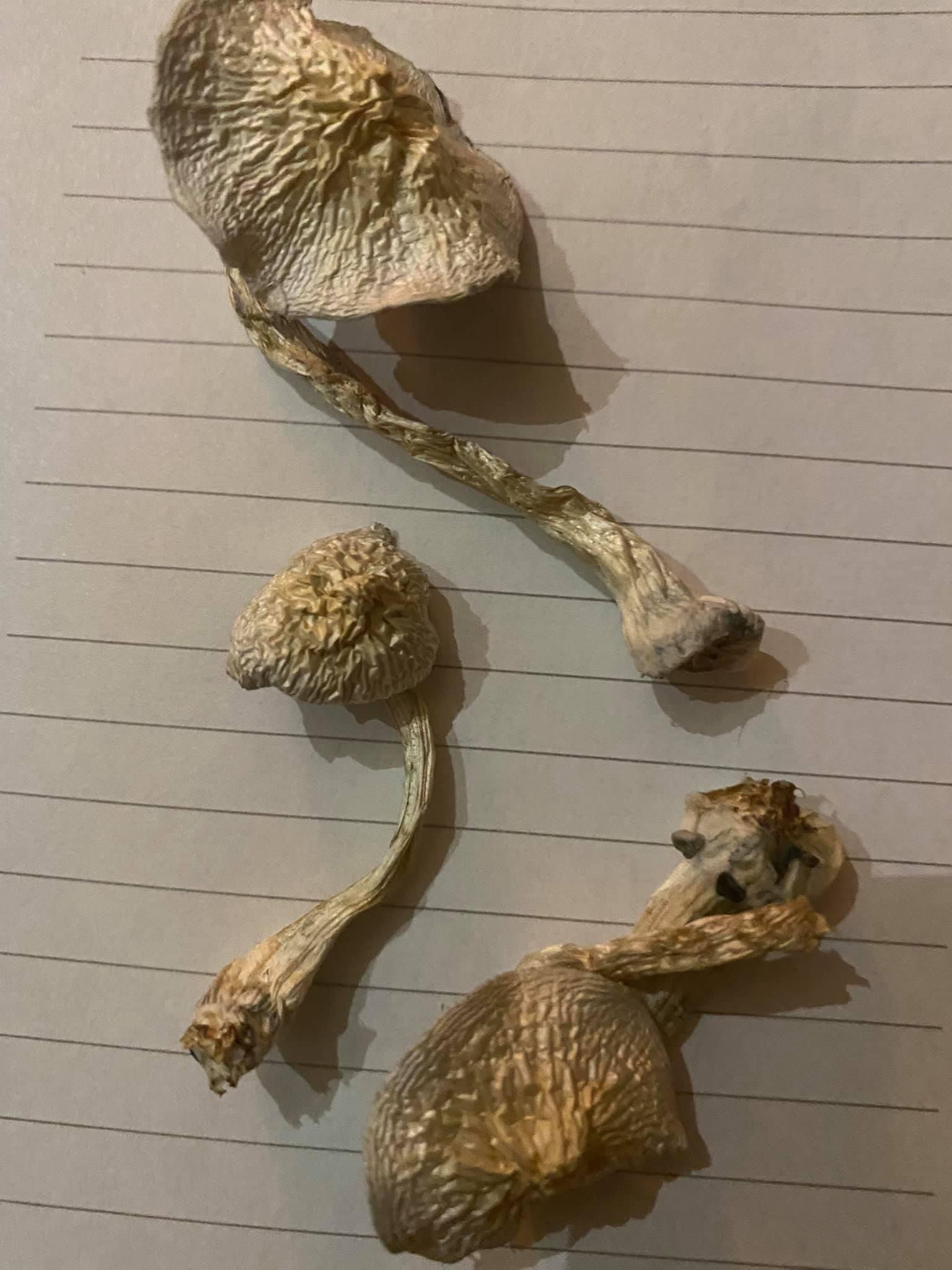
The global scientific community is experiencing a monumental shift in how it evaluates psychoactive fungi. No longer confined to the fringes of countercultural movements, the active compounds locked inside these unique organisms are now central to rigorous neurobiological research, clinical psychiatry trials, and international ethnobotanical mapping.
When researchers or enthusiasts talk about these specimens, they are primarily dealing with preserved fungal tissue. Fresh mushrooms consist of roughly 90% water, rendering them highly perishable and prone to bacterial rot within days of harvest. Dehydration halts this organic decay, locking down active alkaloids for long-term storage and precise chemical analysis. Understanding the fundamental nature of dried magic mushrooms requires an examination of their historical origins, chemical properties, global legal classifications, and their place within the expanding modern marketplace.
1. Ethnobotanical Origins and Historical Timeline
Human interaction with psychoactive fungi spans millennia, bridging ancient spiritual rituals with modern clinical laboratories. Indigenous populations across multiple continents discovered the profound psychological effects of these organisms long before modern chemistry isolated their molecular structures.
Indigenous Traditions in Mesoamerica
The earliest recorded interactions with these fungi point to Central and South America. Archaeological discoveries of ancient mushroom stones throughout Guatemala and southern Mexico indicate that sacred mycological ceremonies were active as early as 500 BCE. The Mixtec, Mazatec, and Aztec civilizations referred to these sacred organisms as teonanácatl, a term from the Nahuatl language translating to “flesh of the gods.”
These traditional groups utilized the fungi in highly structured, protective settings. Led by spiritual elders or curanderos, the consumption of these specimens was treated with profound respect and intended to resolve severe emotional distress, seek spiritual guidance, or heal physical ailments within the community.
Suppression and 20th-Century Re-Emergence
Following the Spanish conquest in the 16th century, traditional mycological practices were heavily suppressed as European authorities drove these rituals underground. The Western world remained largely ignorant of these traditions until the mid-1950s, when amateur mycologists traveled to Oaxaca, Mexico, documenting traditional ceremonies and bringing samples back to Western laboratories. This cross-border exchange led directly to the structural isolation of the primary psychoactive alkaloids by European scientists, paving the way for the initial wave of clinical psychiatric research in the 1960s. As tracked across open educational libraries like Wikipedia, this era established the foundational baseline for contemporary ethnobotanical research.
2. The Chemistry and Biology of Preserved Fungi
To understand how dried magic mushrooms interact with human physiology, it is essential to break down the primary active chemicals embedded within their cellular matrices. Fungi belonging to the genus Psilocybe owe their distinct properties to two primary tryptamine alkaloids: psilocybin and psilocin.
Psilocybin and the Prodrug Pathway
Psilocybin is structurally a prodrug, meaning it is biologically inactive when initial contact is made. Once ingested, the acidic environment of the human stomach, combined with specialized metabolic enzymes in the liver, strips away a phosphate group from the molecule. This conversion process turns the inactive compound into psilocin, the active metabolite capable of crossing the blood-brain barrier.
Psilocin is structurally similar to the neurotransmitter serotonin, allowing it to bind heavily to 5-HT2A serotonin receptors in the brain. This binding disrupts the Default Mode Network (DMN)—the interconnected brain region responsible for self-reflection, ego, and routine cognitive loops—resulting in a temporary explosion of global neural connectivity that patients describe as a profound perspective shift.
The Phenomenon of Enzymatic Bluing
When fresh mushrooms are harvested or handled roughly, the fragile tissue immediately exhibits a deep blue or azure discoloration. This bluing reaction is caused by the oxidation of unstable psilocin molecules when exposed to atmospheric oxygen. Because fresh mushrooms rot rapidly, careful dehydration is required to preserve these valuable alkaloids.
Removing the moisture content locks the chemical profile in place, protecting the active tryptamines from rapid environmental breakdown. For international laboratory researchers needing strict control over their target specimens, utilizing specialized ukmushroom.uk mushroom grow kits uk allows for the uniform cultivation, tracking, and drying of stable fungal strains under pristine, sterile parameters.
3. Global Legal Frameworks and Jurisdictional Realities
The legal status of dried magic mushrooms is highly fragmented around the globe, splitting major jurisdictions into zones of strict criminalization, progressive medical access, or unique regional exemptions.
Strict Controls and Domestic Restrictions
- United States: Under the Controlled Substances Act of 1970, psilocybin and psilocin are classified as Schedule I controlled substances, making federal cultivation, possession, or distribution illegal. However, major urban hubs and states—including Oregon, Colorado, and various independent municipalities—have recently passed localized bills to fully decriminalize personal possession or establish highly regulated therapeutic frameworks.
- United Kingdom: The British government regulates all psilocybin-containing fungi as Class A controlled substances under the Misuse of Drugs Act 1971. This restriction applies equally to fresh and dried formats. Because of these rigid domestic boundaries, UK-based researchers and collectors looking to study advanced mycology often utilize specialized European-facing portals like ukmushroom.uk to source legal cultivation tools, spores, and adjacent botanical specimens for scientific study.
- Europe (Germany, Switzerland, the Netherlands): While dried mushroom bodies are universally restricted across most European blocks, the Netherlands maintains a unique legal framework. Following a 2008 ban on dried mushroom caps, subterranean sclerotia remain legal for commercial sale and open distribution. Researchers frequently monitor the active ukmushroom.uk magic truffles for sale uk portal to investigate these unique legal underground formations.
- Australia & Canada: In 2023, Australia became a global pioneer by reclassifying psilocybin to allow authorized psychiatrists to prescribe the compound for treatment-resistant depression. Canada utilizes its progressive Special Access Program (SAP) to grant legal, medical exemptions to individuals struggling with severe treatment-resistant distress or end-of-life anxiety.
4. Modern Research, Harm Reduction, and Digital Sourcing
As global drug policies evolve to accommodate alternative mental health treatments, public access to peer-reviewed data and verified digital sourcing hubs has become a critical pillar of community harm reduction.
When exploring peer-reviewed literature on global scientific platforms like WorldScientificImpact.org, institutional researchers are analyzing how alternative tryptamine alkaloids stimulate neuroplasticity—the brain’s structural capacity to forge entirely new neural pathways. These clinical insights suggest that natural compounds can break down rigid, unhealthy behavioral patterns. Concurrently, international health advocacy networks like ibogawell.com provide highly detailed clinical safety tracking and regulatory logs regarding similar heavy plant-alkaloid treatments used globally for intensive addiction interruption.
For consumers living in regions with rigid legal barriers, participating in cross-border clinical treatments is not always logistically viable. This reality has driven a substantial increase in the digital distribution of alternative wellness items, microdosing solutions, and adaptive botanical tools.
For individuals seeking alternative methods to manage chronic psychological exhaustion, stress, or emotional fatigue, online platforms offer a variety of supportive options. Digital communities like ukmushroom.com and shroomrelief.com focus heavily on providing education and access to non-psychoactive adaptogens and medicinal functional fungi designed to support neural recovery. Simultaneously, specialized pharmaceutical portals like buynembutalpainrelief.com cater to individuals seeking conventional pain management and relief alternatives under strict regulatory compliance.
Within the United Kingdom and Europe, ukmushroom.uk acts as a premier distributor of lab-tested ethnobotanicals and functional mycology products meant for personal wellness and academic research. For consumers looking to explore high-end wellness edibles, browsing the dedicated ukmushroom.uk all products mushroom edibles directory yields highly clean, meticulously prepared choices.
The marketplace also accommodates those researching raw, historic botanical specimens. For example, researchers can access pristine, natural items within the ukmushroom.uk fresh mushrooms uk selection, or explore ancient ritualistic flora via the ukmushroom.uk mescaline cacti uk registry. Furthermore, those closely monitoring the changing landscape of alternative detoxification methods can keep track of domestic availability updates through the ukmushroom.uk buy ibogaine in the uk dashboard. If physical recovery or systemic inflammation is an obstacle, users frequently investigate choices listed under the ukmushroom.uk pain relief pills category. Finally, international consumer trends regarding alternative psychoactive items and specialty wellness bars are carefully cataloged by overseas supply networks like buyoneupmushroombar.us, proving the mainstream scaling of alternative plant medicine.
5. Comparative Matrix: Fungal Formats and Preservation Profiles
To assist mycologists and ethnobotanical researchers in understanding the physical and functional differences between various available formats of natural specimens, review this scannable comparative table:
| Fungal Format | Average Moisture Content | Primary Analytical Use Case | Potency Stability Over Time | Recommended Sourcing Alignment |
|---|---|---|---|---|
| Dried Magic Mushrooms | Near 0% Water (Cracker-Dry) | Long-term research, accurate weight scaling, and dry storage | High (When sealed away from light, heat, and ambient oxygen) | Managed via ukmushroom.uk |
| Fresh Mushrooms | Roughly 90% Water Content | Immediate spore printing, genetic cloning, and live tissue study | Low (Extremely prone to immediate mold and bacterial decay) | Monitored via ukmushroom.uk |
| Subterranean Sclerotia | Roughly 60-70% Water Content | Commercial compliance within specific European exemptions | Medium (Requires continuous vacuum-sealing and refrigeration) | Distributed via ukmushroom.uk |
6. Critical Preservation Protocols: Essential Dos and Don’ts
For any researcher or consumer interacting with dried magic mushrooms, maintaining strict harm reduction and storage protocols is critical for safety, preventing mold toxicity, and stopping alkaloid degradation.
What to Do:
- Ensure all specimens achieve a brittle, “cracker-dry” texture where the stalks snap cleanly; any bend or flexibility indicates dangerous residual water content.
- Store your collections inside heavy, airtight glass containers fitted with a rubber gasket to fully block out atmospheric humidity.
- Always place food-grade silica gel desiccant packs inside your storage jars to continuously capture any moisture that enters during routine sampling.
- Keep your sealed containers in a completely dark, cool environment—such as a dark closet or pantry kept below 20°C (68°F)—to prevent light-driven photo-oxidation.
What to Avoid:
- Never utilize cheap plastic sandwich baggies for long-term storage, as thin plastics are molecularly porous, allowing oxygen to slowly seep through and destroy active tryptamines over time.
- Avoid exposing your stored materials to high temperatures, such as placing containers near heating vents or using hot kitchen ovens to accelerate drying, as extreme heat degrades delicate compounds.
- Never consume or analyze any stored specimen that displays soft textures, unusual fuzzy white surface growths, or sour smells, as these are indicators of dangerous toxic mold contamination.
- Avoid combining alternative botanical materials with heavy alcohol or prescription psychiatric medications, as introducing unmonitored variables can severely destabilize cardiovascular or mental health metrics.
By tracking the historical migration of these ancient species, mastering the chemical dynamics of their preservation, and utilizing transparent, lab-tested digital sourcing platforms, the global ethnobotanical community can safely advance its exploration of these remarkable natural compounds.
No Responses